If you are thinking about buying in Waterbury, you are probably drawn to something newer neighborhoods cannot easily replicate: character, mature trees, and homes with real architectural personality. You also may be wondering how to compete in a small market without rushing into the wrong house. This guide walks you through the key steps, the local quirks, and the due diligence that matters most in Waterbury so you can move forward with more clarity and confidence. Let’s dive in.
Why Waterbury Feels Different
Waterbury sits on Des Moines’ west side, generally bordered by I-235, Polk Boulevard, Grand Avenue, and 63rd Street, with some homes extending west toward Walnut Creek. According to the city’s neighborhood plan, it includes about 1,100 households and was part of the Designated Neighborhood Program as a stable neighborhood based on housing conditions, property values, homeowner-to-renter mix, and home sales.
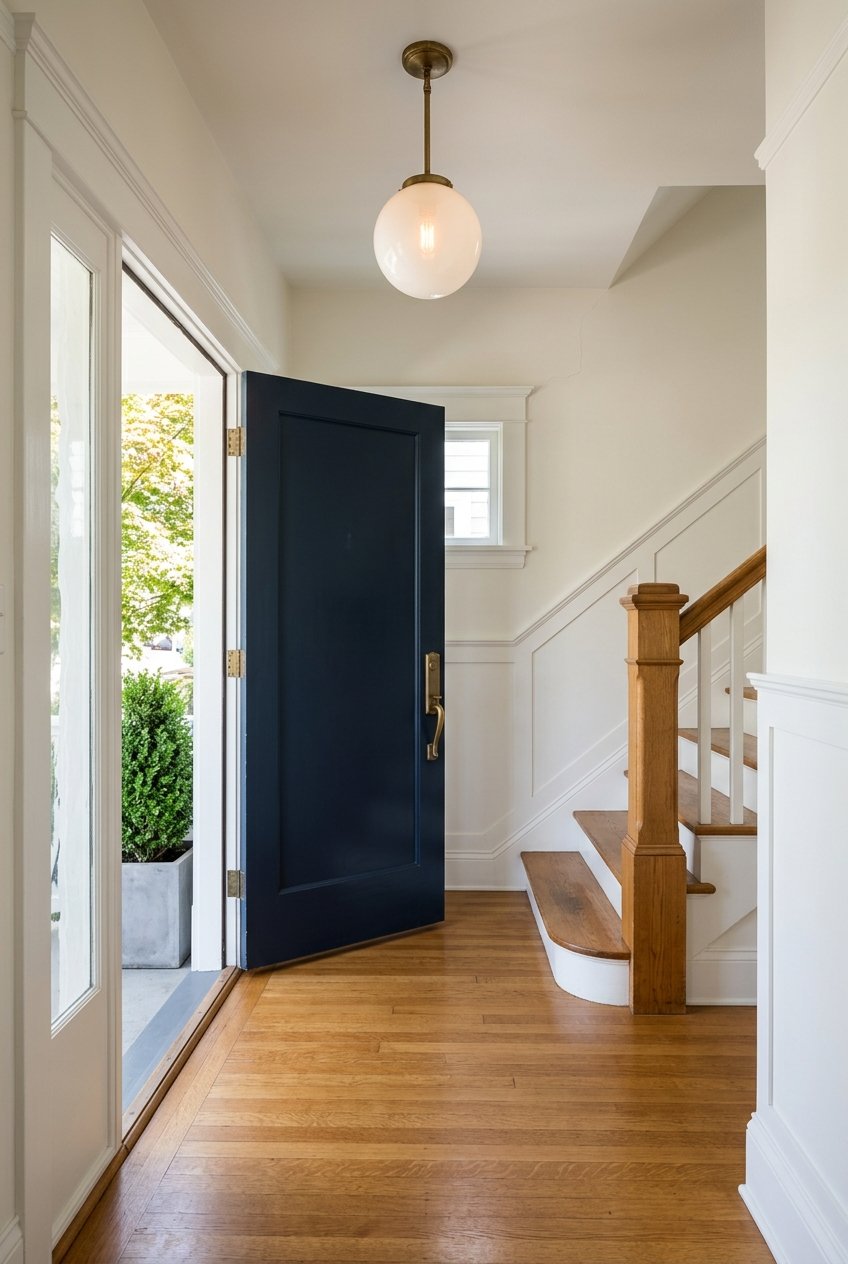
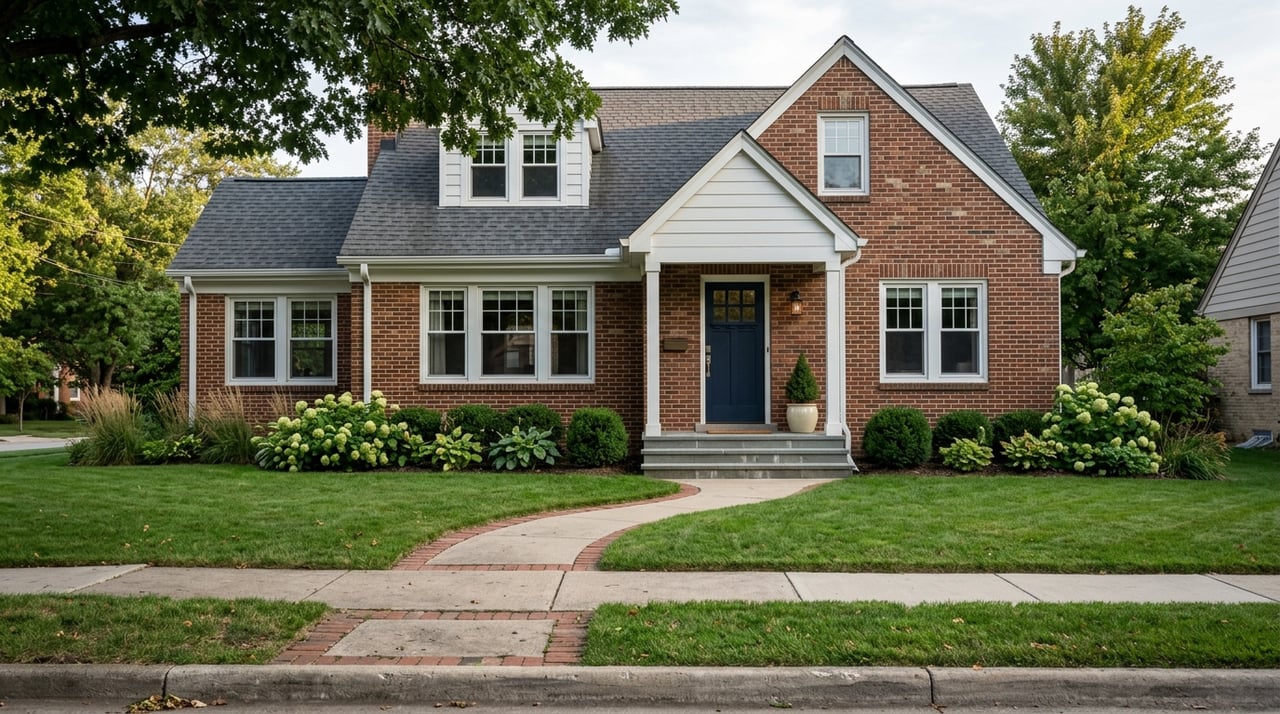
That stability is only part of the story. Waterbury developed in major phases from 1906 to 1940, which means many homes date to the first half of the 20th century. You will see a mix of Tudor, Colonial Revival, Prairie, Modern, and Craftsman bungalow styles, along with details that give the neighborhood a strong visual identity.
The setting also shapes the buying experience here. Curving streets, hilly lots, mature tree canopy, and preserved landscape features make Waterbury feel different from a typical newer subdivision. That charm is a major draw, but it also means you should pay close attention to things like grading, drainage, and exterior upkeep.
What the Waterbury Market Looks Like
Waterbury is a relatively small market, and that matters when you start your search. Zillow reported 20 homes for sale and an average home value of $428,560 as of March 31, 2026, while Redfin reported a March 2026 median sale price of $282,500 and 35 days on market.
At first glance, those numbers may seem inconsistent. In a neighborhood with limited inventory and a wide mix of home sizes, styles, and condition levels, that is not unusual. The more useful takeaway is that Waterbury does not move around a single simple price point.
Redfin also described the neighborhood as somewhat competitive. Some homes receive multiple offers, and hotter listings can go pending in around 12 days. At the same time, the March 2026 sale-to-list ratio was 95.4%, and 14.3% of homes sold above list price, which suggests there is still room for negotiation in many cases.
One important note is that Redfin’s monthly snapshot was based on just seven sales. In a neighborhood this small, one month of data can shift quickly. That is why local context and property-specific analysis matter so much when you are deciding what to offer.
Start With Preapproval and a Real Budget
Before you tour seriously, get preapproved. A preapproval letter shows a seller that financing is likely, and sellers often want to see one before accepting an offer. It is not a final loan commitment, but it is a practical first step if you want to be ready in a neighborhood where the right home may not sit long.
Timing matters too. Preapproval letters usually expire after 30 to 60 days, so it helps to line that step up with your active search window. If you get preapproved too early, you may need to refresh paperwork before you are ready to write.
Your budget should also go beyond the purchase price and down payment. Homeownership costs can include property taxes, insurance, repairs, HOA dues if they apply, closing costs, moving expenses, furniture, and improvements. Closing costs often run about 2% to 5% of the purchase price, and in many cases buyers need at least 3% down.
Build a Smart Search Strategy
In Waterbury, patience and readiness need to work together. Inventory can be thin, so you may need to act quickly when a home fits your goals. At the same time, older homes and varied property conditions mean you do not want to make a rushed decision just because something finally came on the market.
This is where neighborhood fluency helps. Two homes at similar price points can offer very different value depending on updates, lot characteristics, layout, and maintenance history. In a place like Waterbury, the details are often where the real story is.
As you search, think beyond finishes and staging. Try to notice the age and condition of windows, rooflines, gutters, grading, basement condition, and outdoor drainage patterns. In a neighborhood known for hills, mature trees, and older housing stock, those details can have a meaningful impact on both cost and comfort.
Write an Offer With Protection
When you find the right home, speed matters, but so does structure. A strong Waterbury offer usually starts with solid preapproval, clear terms, and realistic expectations about negotiation. That can help you stay competitive without giving up protections that matter.
Financing and inspection contingencies are especially important. Consumer guidance recommends keeping those protections in place, and that advice makes sense in Waterbury, where many homes are older and may have repair items that are not obvious during a showing. A competitive market does not automatically mean you should waive safeguards.
In practical terms, a thoughtful offer often beats a panicked one. Well-priced homes can move quickly, but your goal is not just to win the house. Your goal is to buy the right house on terms that still make sense for you.
Inspect Older Homes Carefully
Once you are under contract, schedule the inspection promptly. That gives you time to understand the findings, request additional inspections if needed, and decide how to move forward before contingency deadlines pass.
An inspection is not the same as an appraisal. The inspection helps you understand the home’s condition, while the appraisal helps the lender assess value. If your contract includes an inspection contingency, you can usually cancel without penalty if the results are not acceptable.
In Waterbury, inspection findings can be especially important because of the age of the housing stock. Older homes can have charm and solid construction, but they can also come with aging systems, deferred maintenance, or a bigger update scope than you expected.
If issues come up, you may be able to negotiate with the seller over repairs or credits. In some cases, a lender may require major repairs before closing or ask for funds to be set aside for a repair after closing. That is one more reason not to treat inspection as a formality.
Watch for Waterbury-Specific Due Diligence
Waterbury’s age and landscape create a few due-diligence items that deserve extra attention. These are not reasons to avoid the neighborhood. They are simply part of buying thoughtfully in an established area.
Lead paint in older homes
If a home was built before 1978, it can contain lead-based paint. Iowa DIAL notes that pre-1960 homes are more likely to have peeling or chipping lead paint on windows, porches, siding, and other wood surfaces.
If you are buying, leasing, or planning renovations on a pre-1978 home, it is worth considering a lead hazard check. In a neighborhood with many homes from the early 1900s through 1940, this is a normal part of due diligence, not an unusual red flag.
Radon in Iowa homes
Radon is an Iowa-wide issue, not just a Waterbury issue. Iowa HHS says the entire state is considered high risk for radon in homes, and high levels can be found in any type of home.
Testing is the only way to know whether a home has radon. If radon testing has not already been done, many buyers choose to include it in their inspection period so they can make an informed decision before closing.
Drainage and exterior conditions
Waterbury’s mature trees and hilly lots are part of what make it beautiful. They can also create practical concerns involving drainage, grading, gutters, tree maintenance, and root-related exterior issues.
When you walk a property, pay attention to signs of water movement and site maintenance. A great lot can still require thoughtful upkeep, especially in an older neighborhood with varied topography.
Understand Iowa Disclosure Rules
One practical checkpoint in Iowa is the residential property disclosure statement. Under Iowa Code section 558A.2, sellers of most one- to four-unit residential properties must provide a written disclosure statement before making or accepting a written offer.
If that disclosure is not delivered on time, the buyer may be able to withdraw or revoke acceptance within the statutory time window without liability. That makes the disclosure more than a routine form. It is an important part of your review process.
As you read it, look for notes about known defects, past repairs, water issues, mechanical systems, and other material conditions. The disclosure should work alongside your inspection, not replace it.
Know What Happens at Closing
Closing is the final step in buying and financing the home. In a financed purchase, the loan closing and the home-purchase closing usually happen at the same time.
Before closing day, plan for a final walk-through. This is your chance to confirm that agreed repairs were completed and that anything the seller promised to leave is still at the property. It is a simple step, but it helps prevent last-minute surprises.
When you sit down to sign, read every document carefully. The terms should match what you expected. If something looks off, ask questions before you sign.
A Good Waterbury Strategy
Buying in Waterbury is often about balancing urgency with discipline. The neighborhood’s limited supply and distinctive homes can make it tempting to move fast and figure things out later. Usually, the better approach is to get prepared early so you can move quickly and wisely.
That means getting preapproved, building a realistic budget, keeping financing and inspection protections in your offer, and taking older-home due diligence seriously. In Waterbury, that combination tends to serve buyers better than speed alone.
If you want a neighborhood with architectural character, mature landscaping, and a close-in Des Moines location, Waterbury has a lot to offer. The key is understanding what makes the area special and what those same features mean for your search, your offer, and your inspection process.
If you are thinking about buying in Waterbury and want practical guidance from a local expert who knows how to balance strategy with honest advice, connect with Martha Miller Johnson.
FAQs
What makes buying a home in Waterbury different from buying in a newer Des Moines neighborhood?
- Waterbury has many homes built between 1906 and 1940, along with hilly lots, mature trees, and varied architectural styles, so buyers often need to pay closer attention to condition, drainage, and older-home maintenance items.
How competitive is the Waterbury housing market for buyers?
- Recent market snapshots describe Waterbury as somewhat competitive, with some homes getting multiple offers and hotter listings going pending in about 12 days, although the neighborhood’s small number of sales means monthly data can shift quickly.
What should buyers budget for when purchasing a home in Waterbury?
- Beyond your down payment, you should plan for closing costs, property taxes, insurance, repairs, moving costs, and possible improvements, with closing costs often running about 2% to 5% of the purchase price.
Why is a home inspection especially important for Waterbury homes?
- Because many Waterbury homes are older, inspections can help uncover aging systems, deferred maintenance, repair needs, and follow-up items that may affect negotiations or lender requirements.
What Iowa-specific checks should buyers consider when purchasing a Waterbury home?
- Buyers should pay attention to lead paint risk in pre-1978 homes, radon testing because Iowa is considered high risk for radon, and the seller’s required written property disclosure under Iowa law.