Buying an older home in Waterbury can feel exciting and a little intimidating at the same time. You may love the architecture, larger lots, and established setting, but you also want to avoid expensive surprises after closing. The good news is that with the right questions, inspections, and local guidance, you can move forward with much more confidence. Let’s dive in.
Why Waterbury older homes stand out
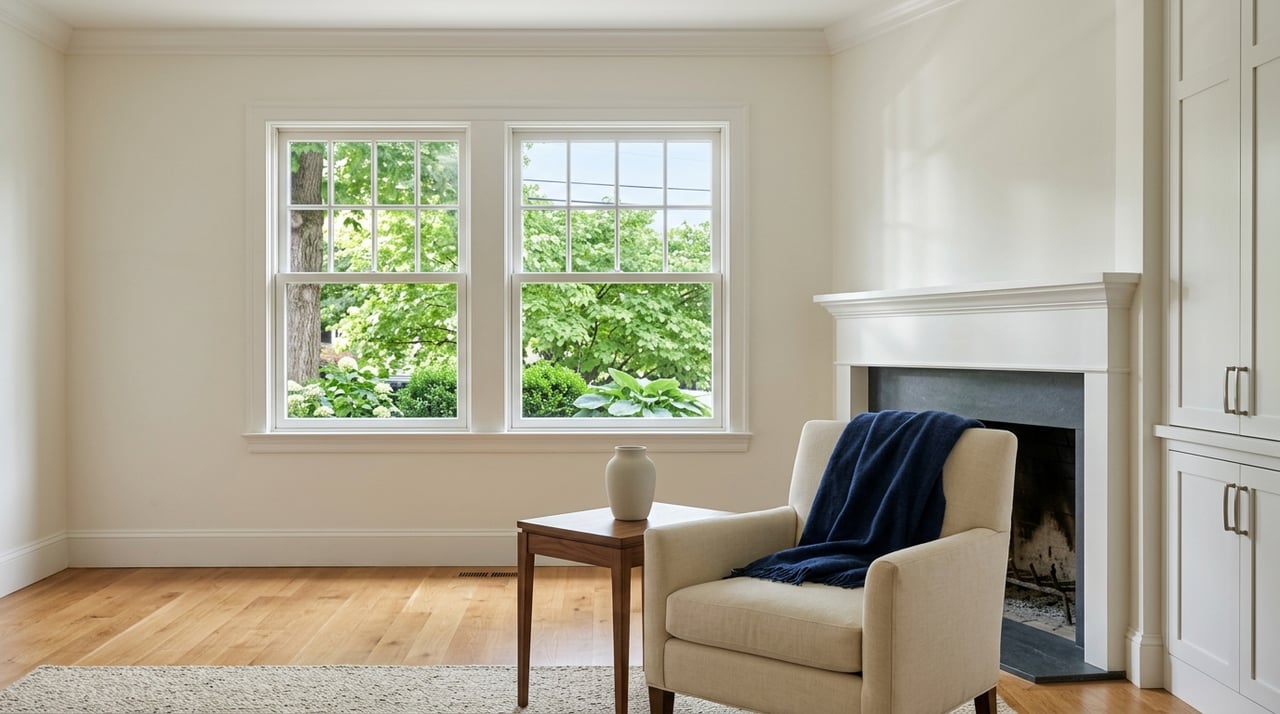
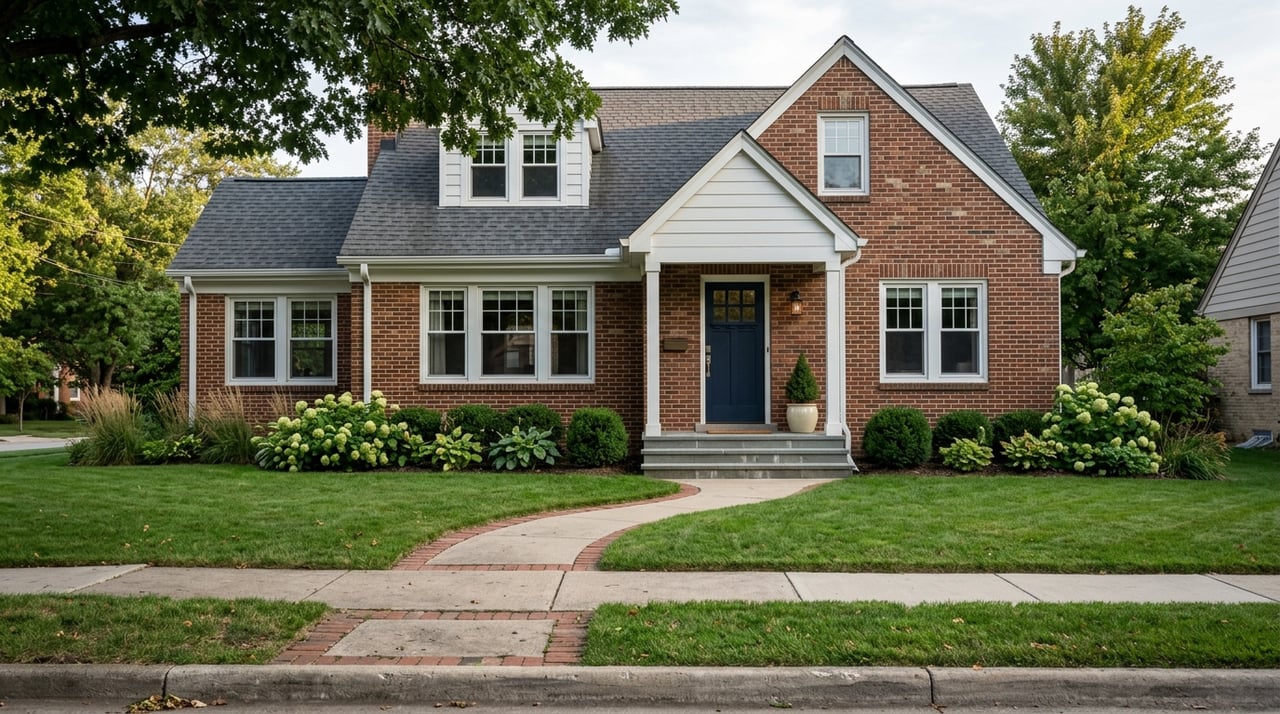
Waterbury developed largely in the first half of the 20th century, and that history still shapes the neighborhood today. The area includes Tudor, Colonial Revival, Prairie, Modern, and Craftsman Bungalow homes, along with rolling hills, mature trees, and curving streets.
For many buyers, that mix is exactly the appeal. Older homes in Waterbury often offer details and layouts that feel distinct from newer subdivisions, plus larger homes and larger lots in an established setting.
That charm also comes with responsibility. When you buy an older home here, you are not just evaluating square footage and finishes. You are also looking at how age, maintenance, and past updates may affect the property over time.
Start with the right mindset
An older home does not automatically mean a problem home. Many older properties have been carefully maintained and thoughtfully updated over the years.
Still, age changes what you need to pay attention to. Instead of assuming a home is move-in ready based on looks alone, it helps to focus on the condition of major systems, water management, and whether past work was done well.
In Iowa, most residential transfers require a written seller disclosure statement. State law also recommends that buyers obtain an independent home inspection report, and it defines that inspection as a noninvasive visual exam of major systems and components, not a warranty or guarantee.
Focus on water first
If you are buying an older Waterbury home, one of the smartest things you can do is pay close attention to how the house handles water. In established neighborhoods with mature trees, rolling topography, and older construction, drainage issues can become costly if they are missed.
Ask your inspector to look carefully at the roof, flashing, gutters, and downspouts. Leaks often begin around roof penetrations, flashing, or roof edges, and leaking gutters can cause hidden damage over time.
You also want to understand grading and drainage around the house. Check whether rainwater is directed away from the foundation and whether there are signs of dampness, cracking, mold, or water penetration in the basement, crawl space, or around structural areas.
Check major systems closely
Older homes were built for a different era of daily life. Even when a house has great character, the plumbing, heating, and electrical systems may not match modern expectations unless they have been updated.
Iowa’s disclosure law specifically calls out plumbing, heating, and electrical condition. That makes these systems especially important areas to review during your due diligence.
Electrical capacity is one issue to watch. Older homes were not originally wired for the number of appliances, devices, and charging needs most households use today, so it is worth understanding what has been upgraded and what may still need attention.
Plumbing matters too, especially in homes that may have had partial updates over time. Ask what has been replaced, when it was done, and whether there are records for that work.
Ask about windows, doors, and insulation
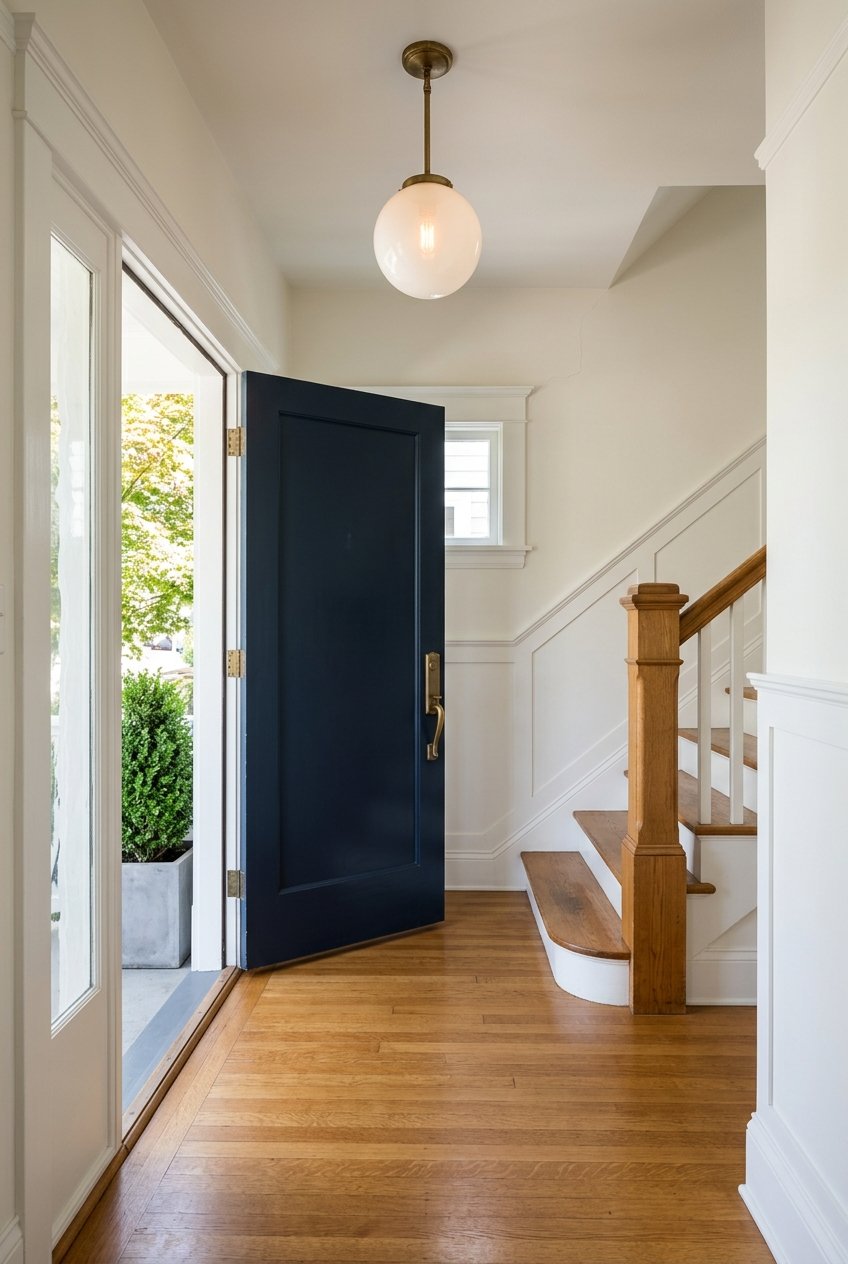
Character can be a major selling point in an older home, but comfort and efficiency still matter. Many older homes have less insulation than newer ones, and windows and doors can be a major source of drafts and heat loss.
That does not mean original features are a deal breaker. It simply means you should ask practical questions about insulation levels, window condition, door fit, and whether any improvements have already been made.
If you love an older home that needs efficiency upgrades, that may still be a great fit. You just want to factor those improvements into your budget and expectations before you make an offer.
Consider a sewer line scope
Waterbury’s mature tree canopy is part of what gives the area its established feel. It can also be one reason to discuss a sewer camera inspection with your inspector or a plumber, especially when a lot has large trees.
Tree roots can enter sewer lines through defects or openings and cause blockages. A general home inspection may not fully answer that question, so this is one of those extra steps that can be worth discussing before your inspection period ends.
Not every property will need the same specialist inspections. Still, for older homes in a neighborhood like Waterbury, a sewer scope is often a smart conversation to have.
Do not skip lead and radon questions
For homes built before 1978, lead-based paint disclosure rules often apply. Sellers of most pre-1978 housing must disclose known lead-based paint hazards and provide the required lead information.
Iowa’s disclosure law also includes lead service lines. If you have questions about drinking water, keep in mind that testing is the only way to confirm whether lead is present in the water.
Radon is another common check in Iowa. Iowa HHS says testing is the only way to know whether a home has radon, which is why many buyers treat it as a standard part of due diligence even when a home appears to be in good condition.
Ask smart renovation questions
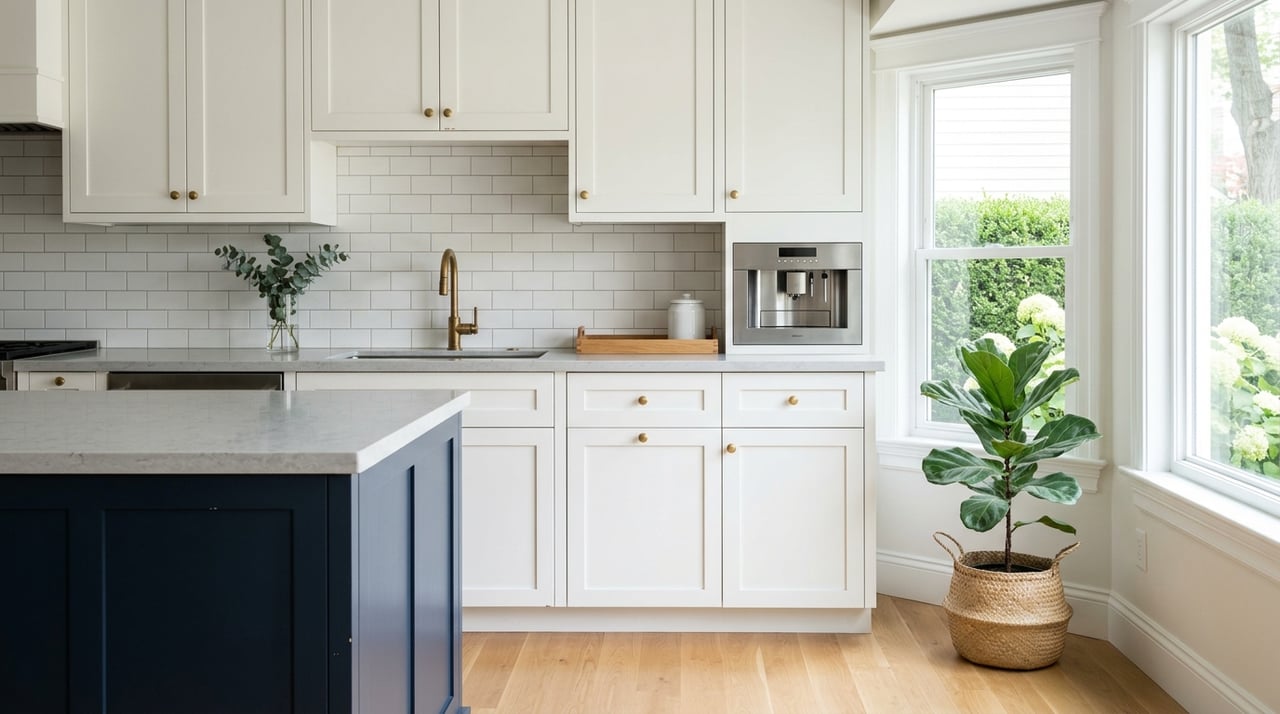
A beautiful older home can come with a long history of improvements, repairs, and partial remodels. Before you write an offer, try to find out not just what looks updated, but what was actually improved behind the walls and over the years.
Good questions to ask include:
- Which systems have already been updated, and when?
- Has the sewer line been scoped or repaired?
- Are there records for roof work, foundation work, electrical upgrades, insulation, or plumbing replacements?
- Do you need lead, radon, water, or specialist inspections in addition to the general home inspection?
- Is the property subject to any historic-district review or exterior design restrictions?
These questions can help you separate cosmetic updates from meaningful improvements. They can also help you understand whether a home’s price makes sense in light of its condition and future maintenance needs.
Know the historic-district rules
Some older properties in Des Moines may be located in a designated historic district. If a property is in one of those districts, the city requires a certificate of appropriateness before construction or exterior alterations within the district.
That does not mean you cannot update the home. It does mean you should confirm what rules may apply before planning exterior changes.
The City of Des Moines also handles building, plumbing, electrical, mechanical, and other permits through its Permit & Development Center. If a seller says major work was completed, it is reasonable to ask whether permits were pulled when required.
Balance charm with future costs
Older homes often ask you to think in layers. You may be buying charm, craftsmanship, and a setting you cannot easily replicate, but you are also taking on future maintenance that may look different from a newer home.
That is why it helps to think beyond the list price. Roof work, drainage improvements, insulation upgrades, window repairs, sewer line work, or electrical updates can all affect the true cost of ownership.
This is not about being scared off. It is about being clear-eyed so you can buy a home you love with a realistic plan for caring for it.
How to buy with confidence
The strongest buyers of older homes usually do three things well. They stay curious, they ask specific questions, and they leave room in their budget for both immediate needs and future upkeep.
In Waterbury, that approach matters because the neighborhood’s appeal is tied so closely to its history, architecture, trees, and established streetscape. Those qualities are a big part of the value, but they also make due diligence more important.
When you understand the home’s condition, its update history, and any local review or permit questions, you can make a much better decision. That gives you a stronger chance of enjoying the character of the home without being blindsided by avoidable issues later.
If you are thinking about buying an older home in Waterbury, having local guidance can make the process feel much more manageable. Martha Miller Johnson brings hands-on Des Moines market knowledge, practical advice, and the kind of detail-focused support that helps you ask better questions before you commit.
FAQs
What makes older homes in Waterbury appealing to buyers?
- Waterbury older homes often attract buyers because of their early 20th-century architecture, larger homes and lots, mature trees, rolling hills, and established neighborhood setting.
What should you inspect first in an older Waterbury home?
- Start with water-related issues such as the roof, flashing, gutters, downspouts, grading, drainage, foundation, basement, and crawl space, since moisture problems can lead to costly repairs.
What does Iowa require when buying an older home?
- Iowa generally requires a written seller disclosure statement for residential transfers and recommends that buyers get an independent home inspection, which is a noninvasive visual exam rather than a warranty.
Should you get a sewer scope for an older home in Waterbury?
- It is worth discussing a sewer camera inspection with your inspector or plumber, especially on lots with large trees, because tree roots can enter damaged or open sewer lines and cause blockages.
Do older homes in Waterbury need radon testing?
- Radon testing is a common part of due diligence in Iowa because Iowa HHS says testing is the only way to know whether a home has radon.
How do historic-district rules affect older homes in Des Moines?
- If a property is in a designated historic district, exterior construction or alterations may require a certificate of appropriateness from the city before work begins.