Wondering how to buy your next home while selling your current one without ending up stressed, rushed, or temporarily homeless? If you’re moving into or out of Waterbury, that concern is very real. The good news is that there is more than one workable path, and the right plan depends on your timing, cash flow, and comfort with risk. Let’s walk through the options so you can move with more clarity and less guesswork.
Why timing matters in Waterbury
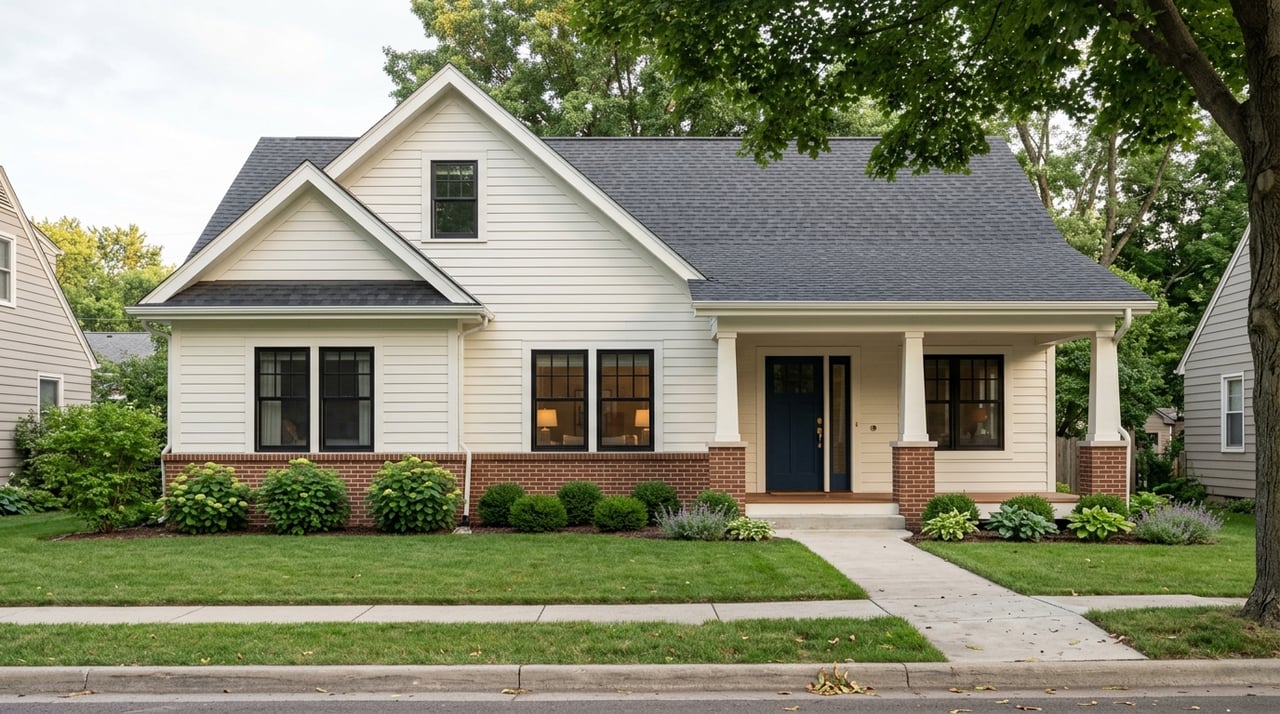
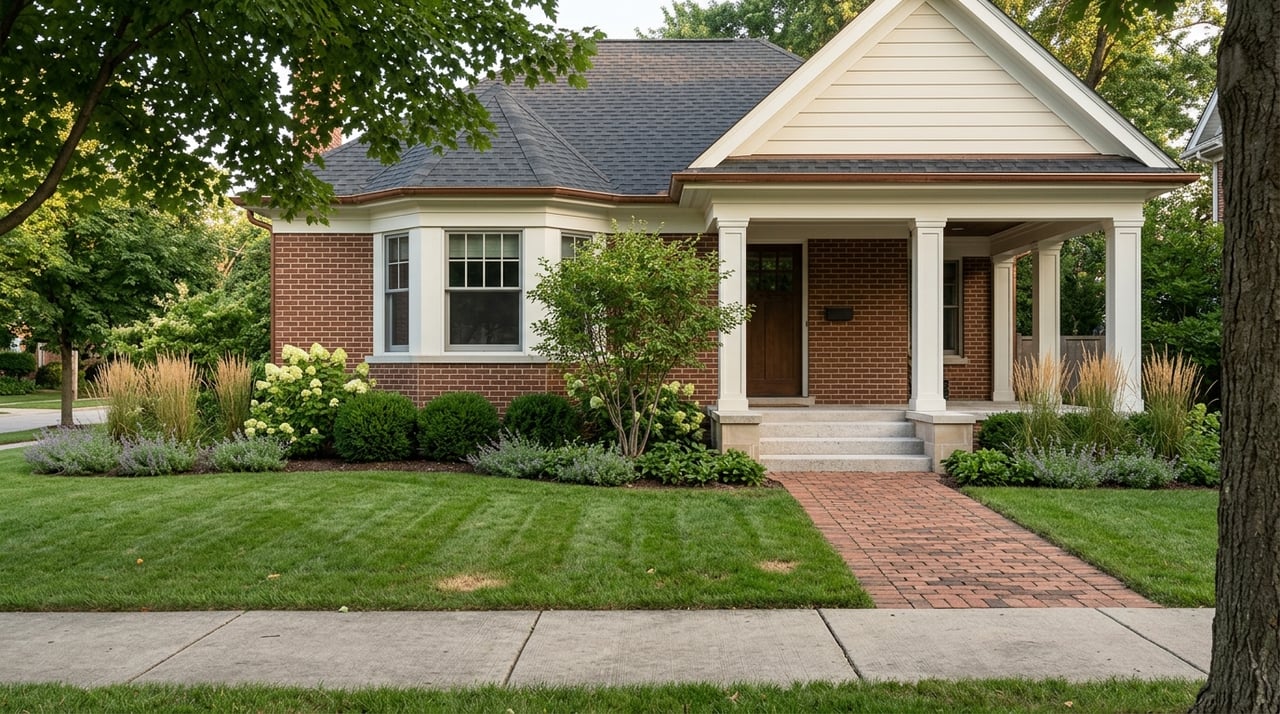
Waterbury is a small Des Moines neighborhood with roughly 1,100 households, bounded by I-235, Polk Boulevard, Grand Avenue, and 63rd Street. It is also a neighborhood known for its historic significance and established housing stock, which can shape how inspections, disclosures, and timing play out.
As of April 2026, Realtor.com reported 26 homes for sale in Waterbury, a median listing price of $502,250, median days on market of 60, and 0 active rentals. Realtor.com also labeled Waterbury a buyer’s market in that snapshot. That matters because you should not assume your sale and purchase will line up perfectly on their own.
The broader Des Moines market may move differently. Redfin’s May 2026 snapshot showed a median sale price of $216,870 and 29 median days on market citywide, with the market described as somewhat competitive. In other words, Waterbury may not follow the same timing as the rest of Des Moines, so your plan should be neighborhood-specific.
Your main buy-sell options
There is no single best order for buying and selling. Most homeowners choose between three main paths, and each comes with tradeoffs around certainty, flexibility, and cost.
Sell first, then buy
This is often the cleanest option if you want to reduce financial uncertainty. You sell your current home, know your proceeds, and then buy with a clearer budget and timeline.
In Iowa, a buyer can make an offer contingent on the sale of another home. Iowa consumer guidance explains that contingencies are conditions that must be met before the purchase is completed, and sale of the current home is a common one.
The main benefit is control over your finances. You are less likely to carry two housing payments at once, and you can make decisions based on real numbers instead of estimates.
The main downside is timing. If your current home sells before you secure the next one, you may need a short-term housing plan.
Buy first, then sell
This option can make sense if you want to secure the next home before letting go of the one you have. It may feel less disruptive, especially if you are trying to avoid a rushed move.
One way some buyers do this is with bridge or swing financing. Fannie Mae says bridge loans are an acceptable source of funds when the lender documents the borrower’s ability to carry the payments for the new home, the current home, the bridge loan, and other obligations.
The advantage is obvious: you may be able to win the home you want without waiting for your current sale to close first. The tradeoff is greater financial pressure, since you may need to qualify for overlapping obligations.
Use contingencies to reduce guesswork
If you do not want to gamble on dates, contingencies can help create structure. Iowa guidance specifically lists sale of your current home as a common contingency, and it explains that the transaction only moves forward if that condition is met.
Depending on the situation, contract terms may also address financing, appraisal, inspection, title, homeowners insurance, early move-in, continue-to-show, kick-out, and rent-back arrangements. These terms can help shape a plan that fits your timeline instead of forcing you into a one-size-fits-all sequence.
What a sell-first strategy looks like
If you plan to sell first, the goal is usually to create as much certainty as possible before you shop seriously. That often starts with pricing, prep, and listing timing.
In Waterbury, where median days on market were reported at 60 in April 2026, it is wise to build in extra breathing room. A slower pace can work in your favor if you plan carefully, but it can create stress if you assume your home will sell instantly.
A sell-first strategy often works best when you:
- want to avoid carrying two homes at once
- need sale proceeds for your down payment
- prefer a firmer budget before making an offer
- are comfortable using temporary housing if needed
If your sale closes before your purchase, you still have ways to bridge the gap. That is where occupancy planning becomes important.
What a buy-first strategy looks like
A buy-first plan works best when the next home is your top priority and you have the financial flexibility to support overlap. This can be useful if the right home becomes available and you do not want to miss it while waiting on your current sale.
Because this path can increase risk, your lender’s input matters early. If bridge financing is part of the conversation, the lender will look closely at whether you can handle the existing mortgage, the new housing payment, the bridge loan, and your other obligations.
A buy-first strategy may fit if you:
- have strong cash reserves
- may qualify for bridge or swing financing
- want to avoid moving twice
- are trying to secure a specific home before selling
This route can be convenient, but it is not automatically easier. It simply shifts the pressure from finding temporary housing to managing cash flow and carrying costs.
How contingencies affect your risk
Contingencies are one of the most important tools for coordinating a buy and sell. They can give you an exit if a required event does not happen, but they need to be written clearly and negotiated carefully.
For example, if your offer depends on selling your current home, that contingency can protect you from being forced to close on the new purchase before your sale is complete. At the same time, sellers may be cautious about accepting contingent offers if they have other options.
Iowa consumer guidance also notes that earnest money is usually 1% to 3% of the purchase price. It may be lost if you back out for a reason not covered by the contract, which is why the wording of your contingency matters so much.
Some contracts may also include a continue-to-show or kick-out clause. That means the seller may keep showing the property and could act on a better offer under the terms of the agreement.
Plan for temporary housing now
One of the biggest mistakes in a simultaneous move is assuming you can easily find a short-term place if dates do not align. In Waterbury, Realtor.com showed 0 active rentals in its April 2026 snapshot, so backup housing may need to come from outside the immediate neighborhood.
This is why occupancy terms deserve attention early, not at the last minute. Depending on the deal, buyers and sellers may negotiate early move-in or rent-back terms to help bridge a gap between closings.
These arrangements should be specific. The contract should clearly address timing, cost, responsibilities, and what happens if plans change.
Historic homes add another layer
Waterbury’s housing stock can make inspections and disclosures especially important. In Iowa, sellers must provide a written property disclosure before accepting an offer under Iowa Code chapter 558A, and that disclosure covers the condition and important characteristics of the property, including known significant structural defects.
Lead-based paint can also matter. Federal lead-paint disclosure is required for homes built before 1978, and the Iowa Department of Inspections, Appeals, and Licensing says roughly 70% of Iowa homes were built before 1978 and about 45% before 1960.
In a neighborhood with older homes, these details can affect your schedule. Inspection findings, disclosure review, and repair discussions can all influence how smoothly your buy and sell timelines line up.
Do not overlook your homestead credit
When you move from one primary residence to another in Iowa, the homestead credit is worth revisiting. Iowa says you apply once and the credit continues as long as you remain eligible by owning and occupying the property as your homestead.
Applications are due by July 1 for the current assessment year, and you may not have a homestead credit on another property in Iowa. That means a move can trigger paperwork on the new home and a need to confirm the old one is no longer receiving the credit.
It is a small detail compared with showings and closings, but it is the kind of timing issue that can catch people off guard.
Help with cash flow between closings
If your biggest challenge is coming up with funds for the next purchase while waiting on your current sale, it may be worth reviewing state-level homeownership programs. The Iowa Finance Authority lists FirstHome and Homes for Iowans among its homeownership programs.
For some buyers, programs like these can play a role in managing down payment or closing cost needs. Whether they fit your situation depends on eligibility and the full structure of your move.
How to choose the right path
The right strategy usually comes down to your priorities. If you want more certainty and less financial overlap, selling first may be the better fit. If securing the next home matters most and you have the means to support overlap, buying first may be worth exploring.
A practical planning conversation should cover:
- your target timeline
- how much cash you need from your sale
- whether you can carry two housing payments
- how comfortable you are with temporary housing
- whether a contingency makes sense
- how inspections and disclosures could affect timing
In Waterbury, realism is your advantage. A thoughtful plan is usually better than trying to force two closings to happen on the same day.
If you are preparing for a move into or out of Waterbury, working through the sequence early can save you stress later. A clear strategy, careful contract terms, and strong coordination can make a two-sided move feel much more manageable. If you want a practical plan tailored to your timing and goals, connect with Martha Miller Johnson.
FAQs
What does it mean to coordinate a buy and sell in Waterbury?
- It means planning the timing, financing, contract terms, and move logistics for selling one home while buying another, with attention to Waterbury’s local market pace and limited rental backup options.
What happens if my Waterbury home sells before I buy my next home?
- You may need a temporary solution such as negotiated rent-back terms, early move-in on the next home, or short-term housing outside Waterbury if local rental options are limited.
Can I make an offer in Iowa before my current home sells?
- Yes. Iowa consumer guidance explains that a sale-of-current-home contingency is a common condition in a purchase contract.
How much earnest money is typical in an Iowa home purchase?
- Iowa consumer guidance says earnest money is usually 1% to 3% of the purchase price and may be at risk if you back out for a reason not covered by the contract.
Are inspections and disclosures especially important in Waterbury homes?
- Yes. Waterbury includes older homes, and Iowa requires a written seller disclosure before an offer is accepted. Federal lead-paint disclosure is also required for homes built before 1978.
Do I need to refile for the Iowa homestead credit after I move?
- If your new home becomes your primary residence, you generally need to make sure the homestead credit is properly in place there, and Iowa says you cannot have the credit on another property in the state at the same time.