Looking for a Des Moines neighborhood where it is easy to get outside without planning your whole day around it? Around Waterbury, that everyday outdoor rhythm is part of the appeal. From residential streets and sidewalk connections to nearby parkland and regional trails, you have options for everything from a short evening walk to a longer weekend outing. Let’s dive in.
Why Waterbury Feels Outdoor-Friendly
Waterbury is a residential area of about 1,100 households, generally bounded by I-235, Polk Boulevard, Grand Avenue, and 63rd Street, with some homes extending toward the Walnut Creek edge. The neighborhood association describes its mission as preserving and enhancing quality of life, beauty, and historic significance. That matters if you are looking for a place where outdoor life feels woven into the neighborhood rather than added on.
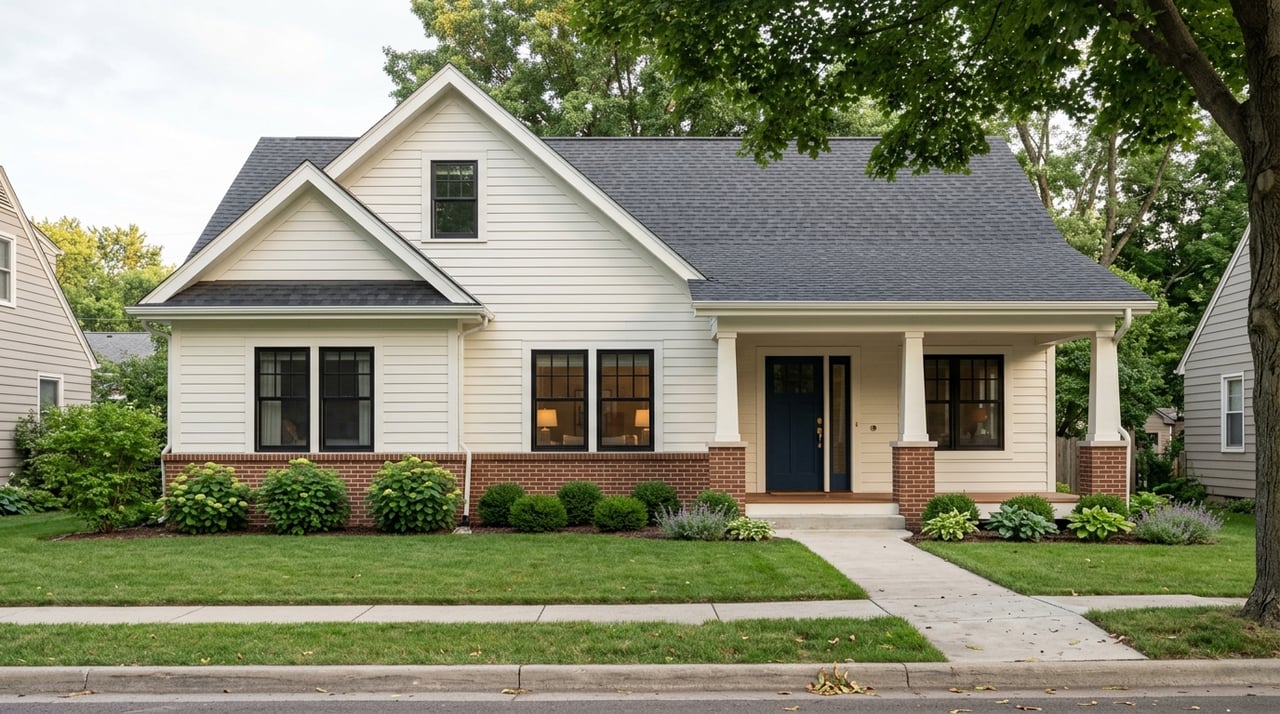
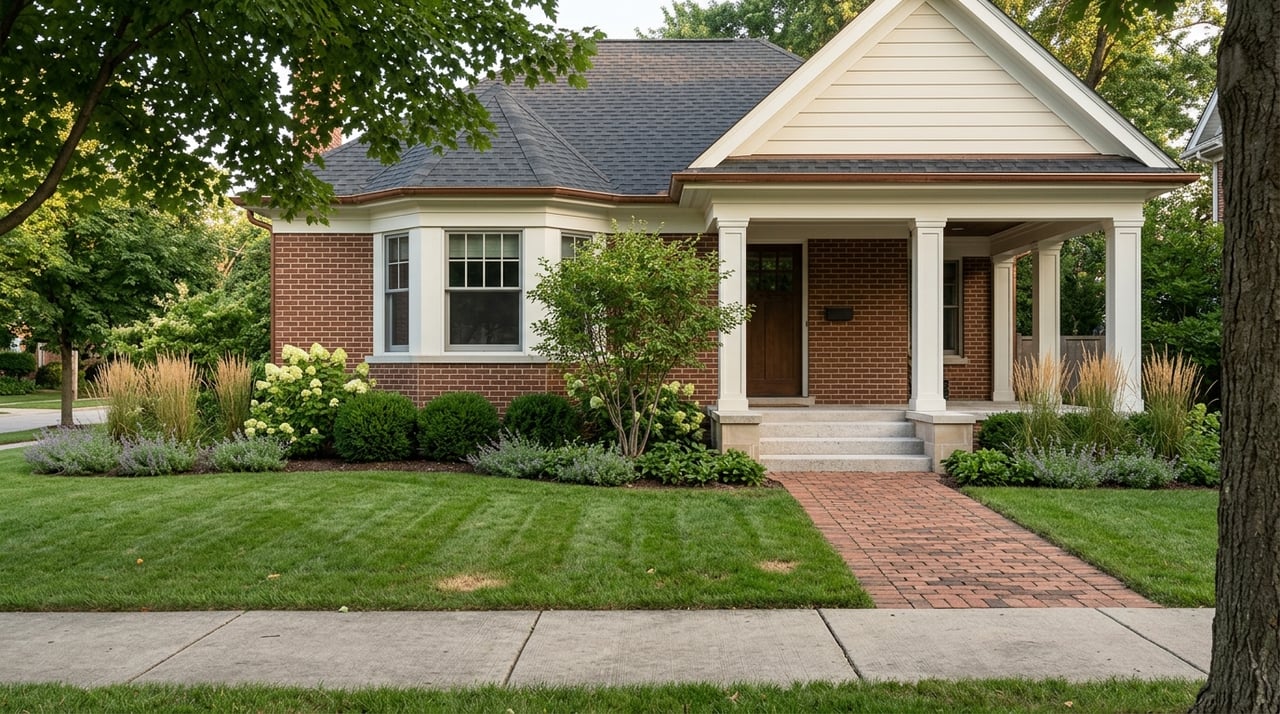
A city evaluation described Waterbury as having a strong tree canopy, natural rolling terrain, and primarily single-family homes that are well maintained. The same evaluation also noted sidewalk and pedestrian access investments. While “quiet streets” is more of a lifestyle takeaway than an official city label, the residential layout and edge-defined street network support that feeling for many people walking the area.
Parks Near Waterbury
Greenwood and Ashworth Park Access
One of the most important things to know about Waterbury is that its outdoor value comes partly from what sits just beyond its boundaries. A 2011 city evaluation noted that there was no city park inside Waterbury itself, but residents frequently used Greenwood/Ashworth Park just south of the neighborhood. That gives you meaningful nearby green space without needing to drive across town.
The same city document said that crossing Grand Avenue had been an obstacle for walkers, which is why access improvements were tied to a HAWK crossing east of Polk and Grand. For buyers who care about walkability in practical terms, that is a useful detail. It shows that nearby park access has long been part of the conversation in this area.
Merrill Middle School Open Space
Within the neighborhood, Merrill Middle School open space has served as a local green area. It is not the same as having a traditional city park in the middle of the neighborhood, but it does add breathing room to the landscape. In an established residential setting, even that kind of open space can shape how a neighborhood feels day to day.
Waterbury Garden and Local Traditions
Waterbury also has a smaller green landmark at Polk Boulevard and Ingersoll Avenue: the Waterbury Garden. The city identified it as a neighborhood enhancement project, which speaks to the care residents have put into the area over time. It is a reminder that outdoor life here is not just about recreation, but also about neighborhood identity.
The neighborhood plan also references the annual luminary display. That detail helps paint a fuller picture of street life in Waterbury. It suggests a place where residents use and value shared outdoor spaces in a way that feels personal and grounded.
Trails Around Waterbury
Walnut Creek Trail Connection
For many buyers, trails are what turn a pleasant neighborhood into a lifestyle fit. Waterbury’s neighborhood plan says the completed Walnut Creek Trail connects the area to the regional trail system along the Walnut Creek basin. That means your walk or bike ride does not have to stop at the neighborhood edge.
This connection matters because it gives you flexibility. You can keep things simple with a short local outing, or you can tap into a larger network when you want more distance. In everyday terms, that kind of access can make it much easier to actually use the outdoors regularly.
Waveland Multi-Use Recreational Trail
The city later approved the Waveland Multi-Use Recreational Trail, adding another key piece to the local trail picture. Earlier project documents described Phase One as running from Cummins Parkway at Pleasant Street east along I-235 to Polk Boulevard, with later phases extending north to Franklin Avenue and east to the Cottage Grove bridge. The city said the trail would support both recreational and commuter use.
Just as important, the city said this route would connect to the Walnut Creek and Clive Greenbelt Trail and, farther east, to Gray’s Lake, the Principal Riverwalk, Pat Dorrian Trail, and Neal Smith Trail. If you like the idea of living in a neighborhood that connects to bigger greenway destinations, that is a strong point in Waterbury’s favor.
Trail Use Shows Real Demand
A 2024 city report estimated 3.2 million trail trips across the system in 2023. That same report included about 236,051 trips on the Bill Riley Trail and 229,308 on the Walnut Creek Trail. Those numbers are helpful because they show these routes are not just scenic on paper.
They are actively used by people across the city. If you are weighing lifestyle as part of your home search, that kind of real-world use adds confidence that the trail network is a meaningful amenity, not just a map feature.
Quiet Streets and Daily Walks
A Neighborhood Built for Short Loops
Not every outdoor routine needs to be a major outing. City planning documents proposed a walking course through Waterbury, and the 2011 evaluation said sidewalks were prioritized in the neighborhood infrastructure work plan. Together, those details support the idea that short daily walks, neighborhood jogging routes, and simple loop-style outings fit naturally here.
That matters if your version of outdoor living is less about destinations and more about consistency. Maybe you want a place where you can head out for 20 minutes after dinner, take the dog around the block, or get in a quick morning walk before work. Waterbury’s layout and pedestrian focus make that easier to picture.
Residential Character Matters
The neighborhood’s tree canopy and rolling terrain also shape the walking experience. Streets with mature landscaping and varied topography often feel more pleasant and visually interesting than flatter, more exposed routes. In a close-in Des Moines location, that combination can be especially appealing.
For buyers, this is where neighborhood feel becomes real. You are not just evaluating a house. You are also thinking about what it feels like to step outside on an ordinary Tuesday.
From Short Walks to Longer Outings
One of Waterbury’s strengths is range. You can stay local and enjoy the residential setting, or you can build a much longer outing by connecting into the broader west-side and riverfront trail network. That flexibility is part of what makes the area stand out.
The 2024 city communication says the Bill Riley Trail segment runs from Ashworth Pool to Gray’s Lake and includes a connection through Water Works Park. Water Works Park’s official site describes it as a 1,500-acre urban park west of Gray’s Lake. In practical terms, that means a local Waterbury walk can grow into a much bigger green-space day when you want it to.
What This Means for Homebuyers
If outdoor access is high on your list, Waterbury offers a specific kind of value. It is not a neighborhood defined by one large signature park inside its boundaries. Instead, its appeal comes from the mix of usable residential streets, nearby green space, and connections to trails that open up much larger recreational options.
That can be a strong fit if you want a central Des Moines location with everyday livability. You get the feel of an established residential area, plus access to parks and trails that support both casual routines and longer adventures. For many buyers, that balance is exactly what makes a neighborhood feel like home.
If you are thinking about buying or selling in Waterbury or another close-in Des Moines neighborhood, working with someone who understands block-by-block lifestyle differences can make the search much clearer. Martha Miller Johnson brings local market knowledge, practical guidance, and a hands-on approach that helps you weigh not just the house, but how the neighborhood fits your life.
FAQs
What parks are near Waterbury in Des Moines?
- Waterbury does not have a city park within its boundaries based on the 2011 city evaluation, but residents frequently use nearby Greenwood/Ashworth Park, and Merrill Middle School open space has also served as neighborhood green space.
What trails connect to Waterbury in Des Moines?
- Waterbury’s neighborhood plan says the Walnut Creek Trail connects the area to the regional trail system, and the Waveland Multi-Use Recreational Trail adds more connections to other major Des Moines trail routes.
Does Waterbury have quiet streets for walking?
- “Quiet streets” is a lifestyle inference rather than an official designation, but the neighborhood’s residential layout, sidewalk investments, and edge-bounded street network support the appeal of short daily walks and neighborhood loops.
Is Waterbury a good neighborhood for outdoor living?
- If you value everyday walks, nearby park access, and connections to larger trails, Waterbury offers a strong mix of residential street life and regional outdoor access.
What makes Waterbury different from other Des Moines neighborhoods?
- Waterbury’s outdoor appeal comes from its tree canopy, rolling terrain, neighborhood traditions, nearby parkland, and trail links that let you choose between a short local walk and a much longer outing.