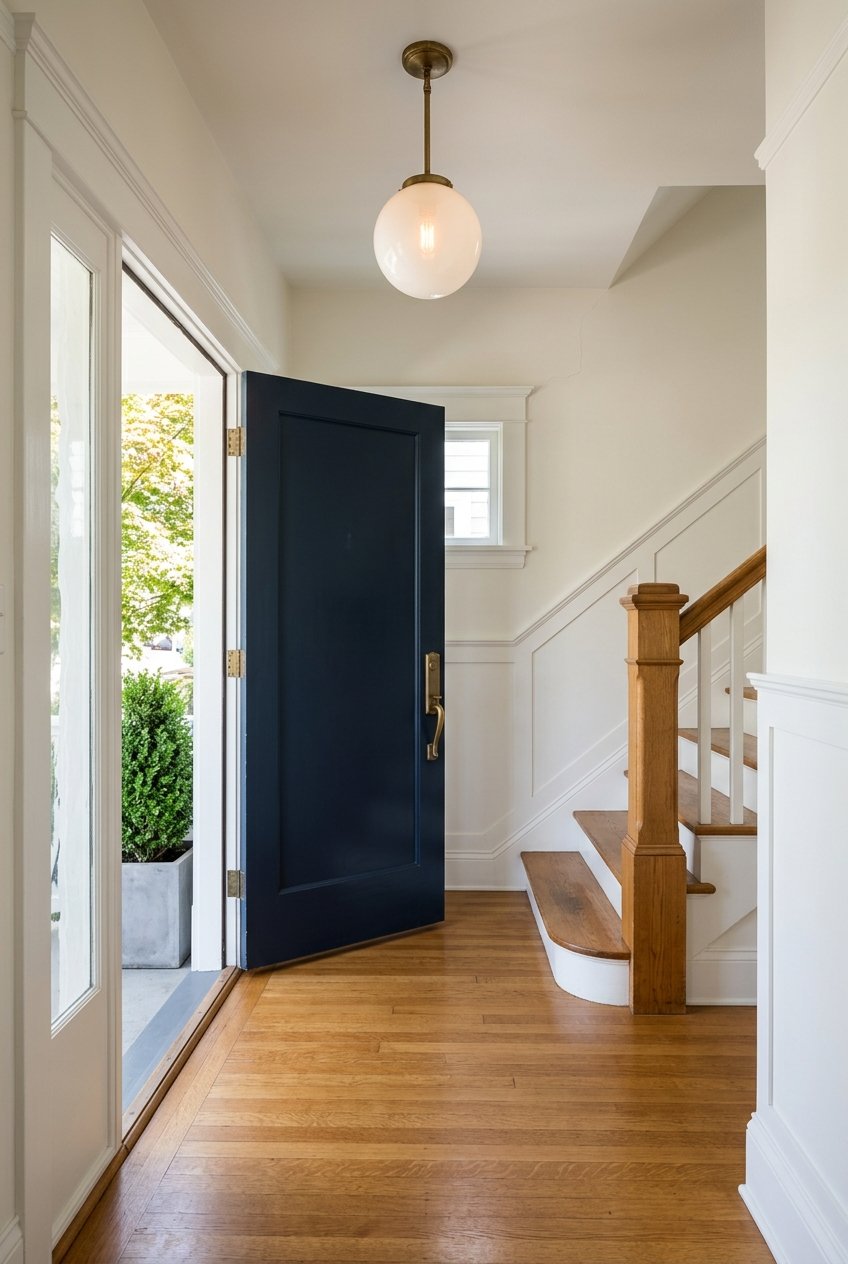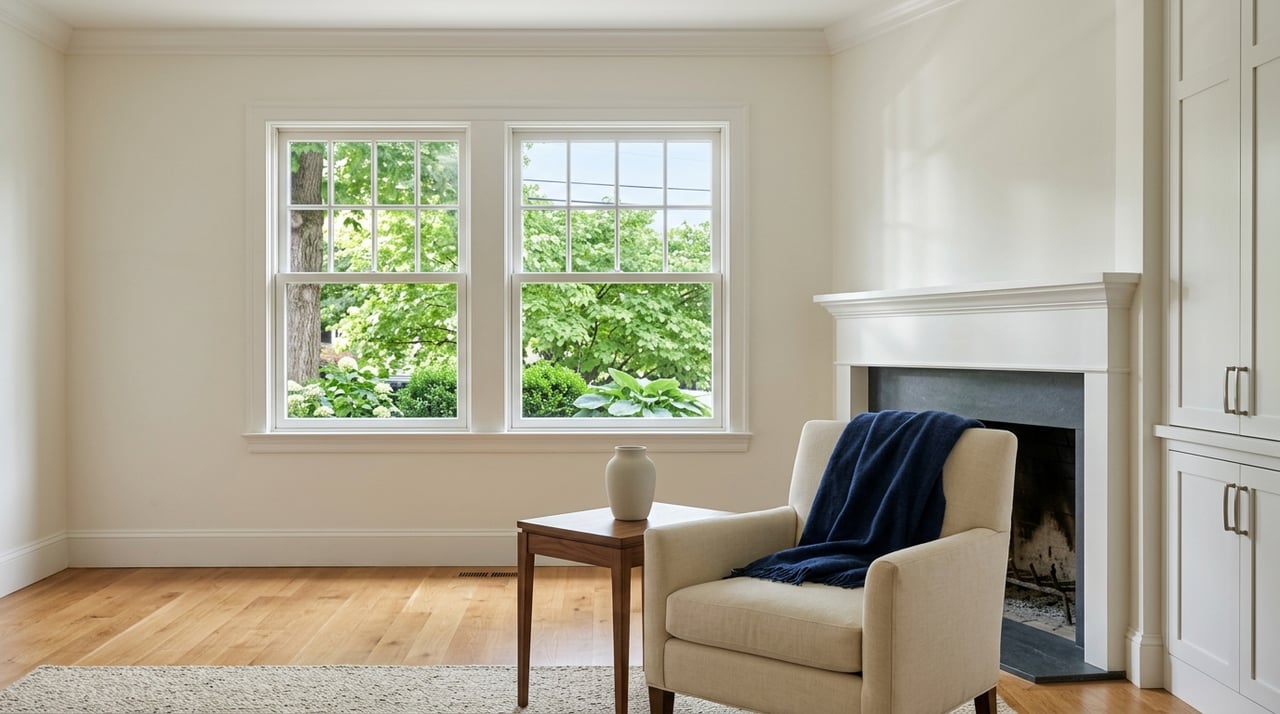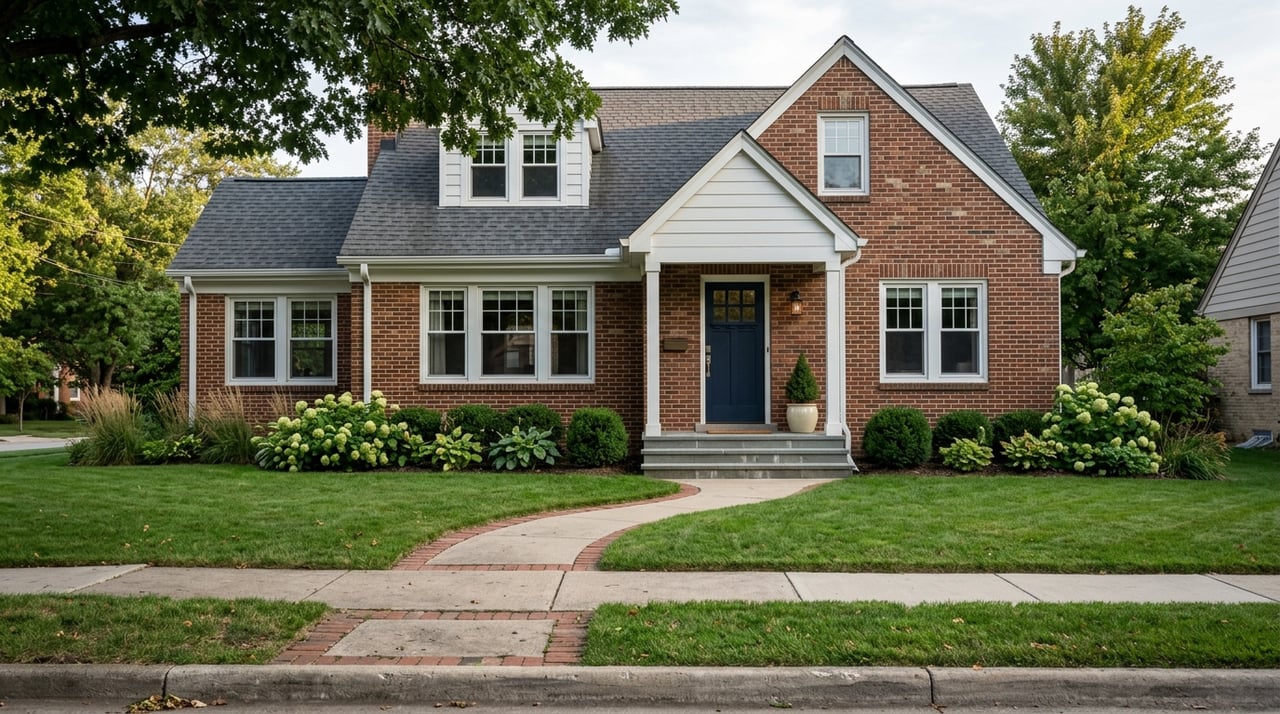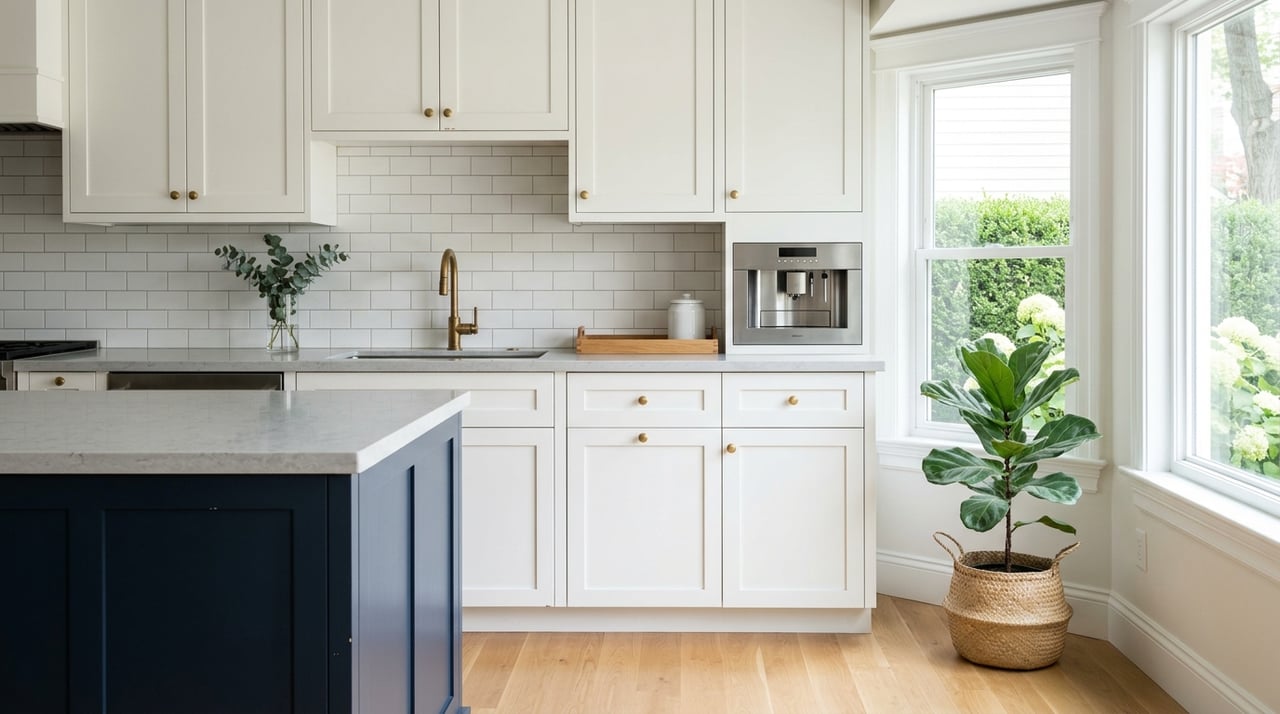
If you have ever driven through Waterbury and wondered why it feels so different from other central Des Moines neighborhoods, the answer is not just the houses. It is the way the homes, hills, curves, and mature trees work together. If you are drawn to character homes and want to understand what makes this part of Des Moines special, this closer look will help you spot the patterns that give Waterbury its lasting appeal. Let’s dive in.
What makes Waterbury feel distinct
Waterbury sits on Des Moines’ west side, about four miles from downtown, in an area generally bounded by I-235, Polk Boulevard, Grand Avenue, and 63rd Street, with some homes west of 63rd near Walnut Creek, according to the Waterbury Neighborhood Association. The neighborhood association also notes that Waterbury includes roughly 1,100 households and was formed in 1995 to help protect the area’s quality of life, beauty, and historic significance.
What stands out right away is the setting. Waterbury’s neighborhood history highlights curving streets, wooded slopes, larger hilly lots, and a remaining lowland “sunken garden” strip. That topography gives the neighborhood a more layered, estate-like feel than a standard grid neighborhood.
Why the homes feel layered
One reason Waterbury feels so visually interesting is that it did not develop all at once. The neighborhood grew in three main phases: 1906 to 1911, 1923 to 1925, and 1931 to 1940, according to the Waterbury neighborhood history.
That timeline matters when you are house hunting. Instead of block after block of one repeating home type, you see a neighborhood built across different eras, with each phase adding another architectural layer. The result is variety that still feels cohesive.
Waterbury architecture at a glance
The City of Des Moines neighborhood plan describes Waterbury as a mix of Tudor, Colonial Revival, Prairie, Modern, and Craftsman bungalow homes, while the current neighborhood guide from Greater Des Moines points to century-old Tudors, mid-century modern ranches, and new construction. Together, those sources paint a clear picture: Waterbury is best understood as a neighborhood of complementary styles, not a single-look historic district.
For buyers, that means you may find very different homes within the same neighborhood. A steep-roof Tudor on one street can sit not far from a lower-profile ranch or a more formal Colonial Revival home. If you love character but do not want every house to feel the same, that is part of Waterbury’s appeal.
Common architectural styles in Waterbury
Tudor Revival details
Tudor Revival is one of the styles many buyers associate most strongly with Waterbury. In plain terms, these homes often feature steep roofs, half-timbering, patterned brick or stucco, and leaded windows, based on style cues from the National Park Service.
In Waterbury, Tudor homes often help define the neighborhood’s storybook character. When they are set on curving streets beneath a mature tree canopy, they create the kind of visual charm that buyers tend to remember.
Colonial Revival presence
Colonial Revival homes usually read as more symmetrical and formal. You may notice balanced front elevations, a centered entry, and porch-forward designs that feel classic and orderly.
In a neighborhood like Waterbury, these homes add structure to the broader mix of styles. They can feel timeless without looking overly ornate, which is one reason they continue to attract design-aware buyers.
Prairie influences
Prairie homes typically emphasize low horizontal lines and broad eaves, according to the same National Park Service reference. In Waterbury, that look fits naturally with the rolling topography and wider lots.
These homes may appeal to you if you like architecture that feels grounded in the landscape. Rather than trying to dominate the lot, Prairie-style design often works with it.
Craftsman bungalow character
Craftsman bungalows are usually one to two stories with broad gables, deep porches, and a handcrafted feel. They bring warmth and approachability to Waterbury’s mix of homes.
For many buyers, Craftsman details feel especially livable. Covered porches, visible trim work, and human-scale proportions can make these homes feel welcoming from the sidewalk on in.
Mid-century and later additions
Waterbury is not frozen in one era. The Greater DSM neighborhood guide notes that the area also includes mid-century modern ranches and newer construction, which adds another layer to the neighborhood’s housing stock.
That mix can be helpful if you want the setting and character of Waterbury without needing the same architectural period in every home you consider. It gives buyers more flexibility while preserving the neighborhood’s overall identity.
How landscape shapes the experience
In Waterbury, architecture is only half the story. The neighborhood was planned around topography instead of a rigid grid, according to the Waterbury Neighborhood Association history. That planning choice still shapes how the area feels today.
Curving roads slow the visual rhythm and create changing views as you move through the neighborhood. Larger hilly lots, wooded slopes, and mature tree cover give many homes a more tucked-in, private feel. Even smaller architectural details, like the entry posts noted at many driveways, reinforce the neighborhood’s established identity.
Signature details to watch for
Some of Waterbury’s most memorable details are easy to miss if you do not know to look for them. The neighborhood history notes that the North Waterbury Road and Waterbury Circle area was shaped largely by builder Edwin Beck, whose homes are still recognizable by matching chimney and shutter motifs.
That kind of repeated detail matters because it gives certain pockets of the neighborhood a quiet visual consistency. You also see identity reinforced in public-facing features like the Waterbury Gardens marker at Polk and Ingersoll, which references the neighborhood’s historic character with brick and stone materials.
How Waterbury compares nearby
If you are deciding between central Des Moines neighborhoods, it helps to understand where Waterbury fits.
Compared with Beaverdale
Beaverdale is widely known for distinctive brick homes, tree-lined streets, and a more uniform neighborhood identity shaped largely between 1920 and 1940. Waterbury shares the appeal of older homes, but it tends to feel more landscape-driven and more stylistically mixed.
If you want consistency and a strong brick-home identity, Beaverdale may stand out. If you want more topographic variation and a wider architectural range, Waterbury offers a different experience.
Compared with Sherman Hill
Sherman Hill is older, denser, and more overtly Victorian, with architecture that includes Victorian, Queen Anne, Italianate, Stick, and Flemish styles. Waterbury is historic too, but it generally feels quieter and less urban in form.
For buyers, that often means a different kind of character. Sherman Hill brings a stronger urban historic vibe, while Waterbury feels more residential, winding, and tied to its landscape.
Compared with Waveland Park
Waveland Park is closer to Waterbury in age, but its housing mix leans more heavily toward bungalows and foursquares, with some Tudor Revival homes and a lot of postwar ranch and Cape Cod housing. Waterbury’s story is broader.
You still find early 20th-century forms in Waterbury, but the neighborhood places more emphasis on wooded streets, larger lots, and a wider style spread. That gives it a slightly more varied and layered feel.
Compared with South of Grand
The Greater Des Moines neighborhood overview and a City preservation report describe South of Grand as an area with stately homes, curvilinear streets, large estate-style parcels, and mature trees. Waterbury shares some of that winding-street character and leafy setting.
The difference is that Waterbury tends to feel more evenly balanced across early and mid-20th-century residential styles. If you like the trees and larger lots of South of Grand but want a somewhat broader mix of home styles, Waterbury may be a strong fit.
What buyers should notice on a tour
If you are touring homes in Waterbury, try to look beyond square footage and finishes. This is a neighborhood where context matters.
Pay attention to:
- How the house sits on the lot
- Whether the street is straight or curved
- The age mix of nearby homes
- Original exterior details like chimneys, shutters, windows, and brickwork
- How the tree canopy and slope affect privacy, light, and curb appeal
- Whether the home’s style feels consistent with its era or reflects later changes
These details can help you understand not just the house itself, but how it fits into the larger character of the neighborhood.
Why Waterbury continues to appeal
Waterbury’s appeal comes from the combination of architecture and setting. It is not simply a neighborhood of older homes. It is a place where wooded streets, winding roads, larger hilly lots, and layered architecture create a sense of place that feels established and distinct.
For some buyers, that means finding a Tudor or Colonial Revival home with strong period character. For others, it means finding a ranch or newer home in a neighborhood that still feels rooted in history. Either way, Waterbury offers a setting that is hard to duplicate in a more typical subdivision.
If you are thinking about buying or selling in Waterbury, neighborhood nuance matters. From style recognition to block-by-block differences, having a local guide can make it easier to understand what gives a home value and what makes a particular pocket of the neighborhood feel right for you. If you want help exploring Waterbury with a practical, local perspective, connect with Martha Miller Johnson.
FAQs
What architectural styles are common in Waterbury, Des Moines?
- Waterbury includes a mix of Tudor, Colonial Revival, Prairie, Modern, and Craftsman bungalow homes, along with mid-century ranches and some newer construction, according to the neighborhood plan and local neighborhood sources.
Why does Waterbury feel different from other Des Moines neighborhoods?
- Waterbury was planned around its topography rather than a strict grid, so its curving roads, wooded slopes, larger hilly lots, and mature trees give it a more layered and estate-like feel.
Is Waterbury known for one specific home style?
- Not exactly. Waterbury is better known for its layered mix of complementary styles than for one single architectural type.
How does Waterbury compare with Beaverdale?
- Waterbury and Beaverdale both appeal to buyers who like older homes, but Beaverdale is more closely associated with a uniform brick-home identity, while Waterbury is more varied in style and more shaped by its landscape.
What should buyers look for in Waterbury character homes?
- Buyers should pay attention to original architectural details, how the home fits its lot and street, the surrounding mix of home styles, and how the tree canopy and topography affect the overall feel of the property.