If you are trying to choose between Waterbury and other central Des Moines neighborhoods, the challenge usually is not finding good options. It is figuring out which one actually fits how you want to live. Some areas offer a more urban routine, some feel more compact and connected, and some give you more space and a quieter setting. This guide will help you compare Waterbury to several nearby neighborhoods so you can narrow in on the right fit with more confidence. Let’s dive in.
What sets Waterbury apart
Waterbury is a west-central Des Moines neighborhood with roughly 1,100 households. Its boundaries are I-235 to the north, Polk Boulevard to the east, Grand Avenue to the south, and 63rd Street to the west. The neighborhood developed in phases from 1906 to 1911, 1923 to 1925, and 1931 to 1940.
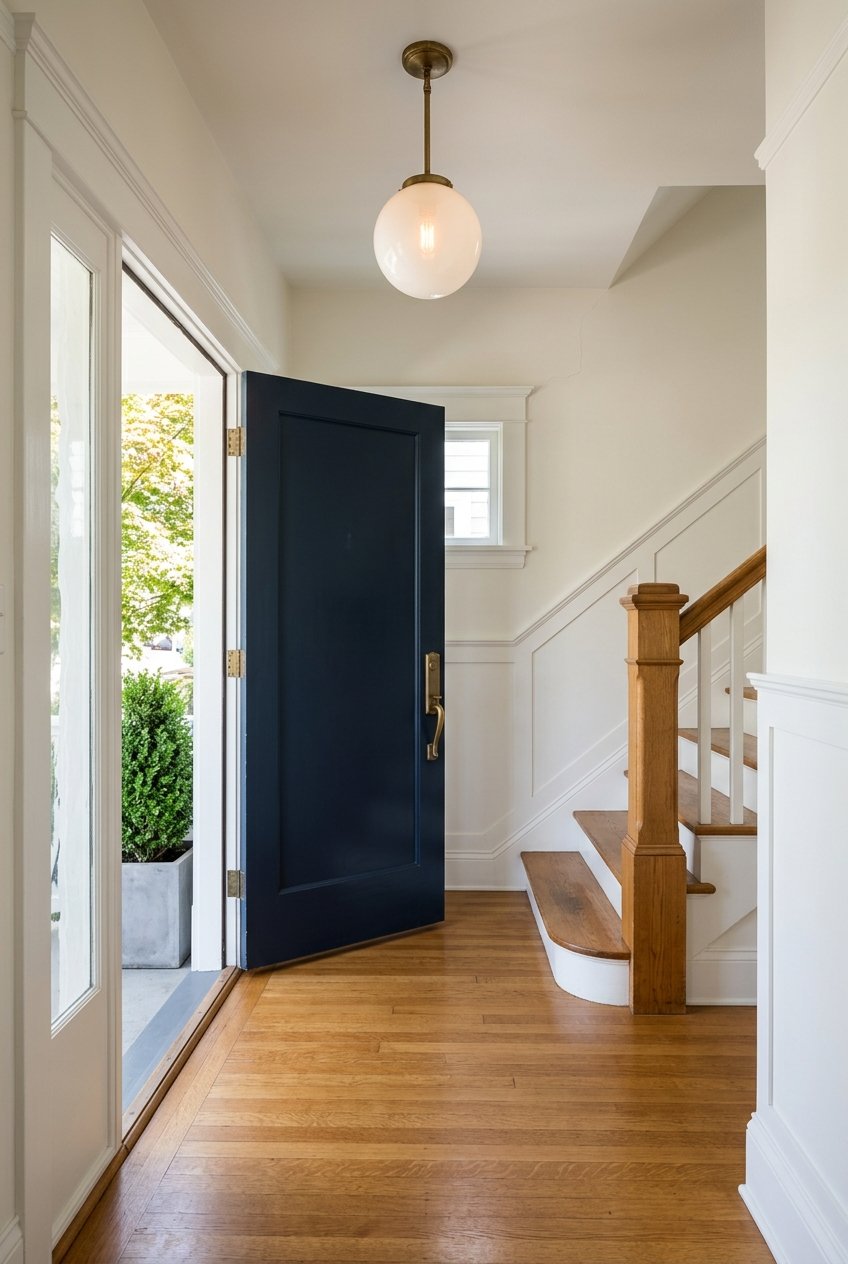
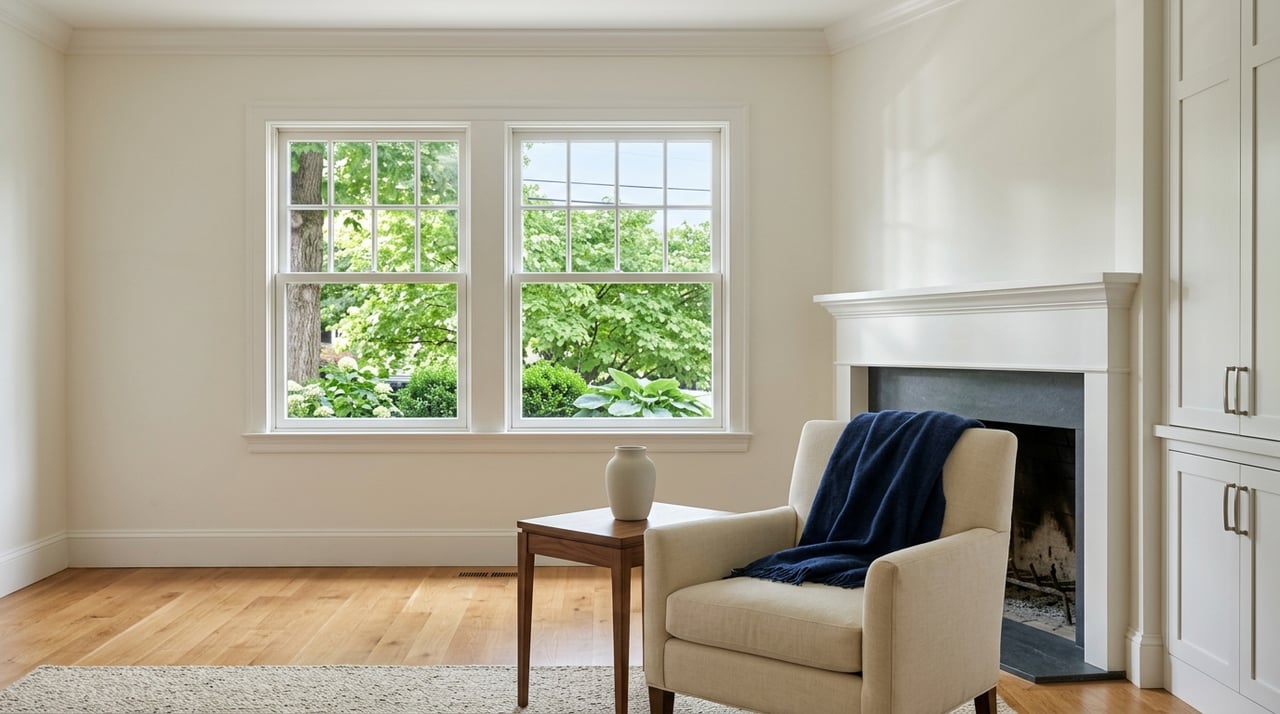
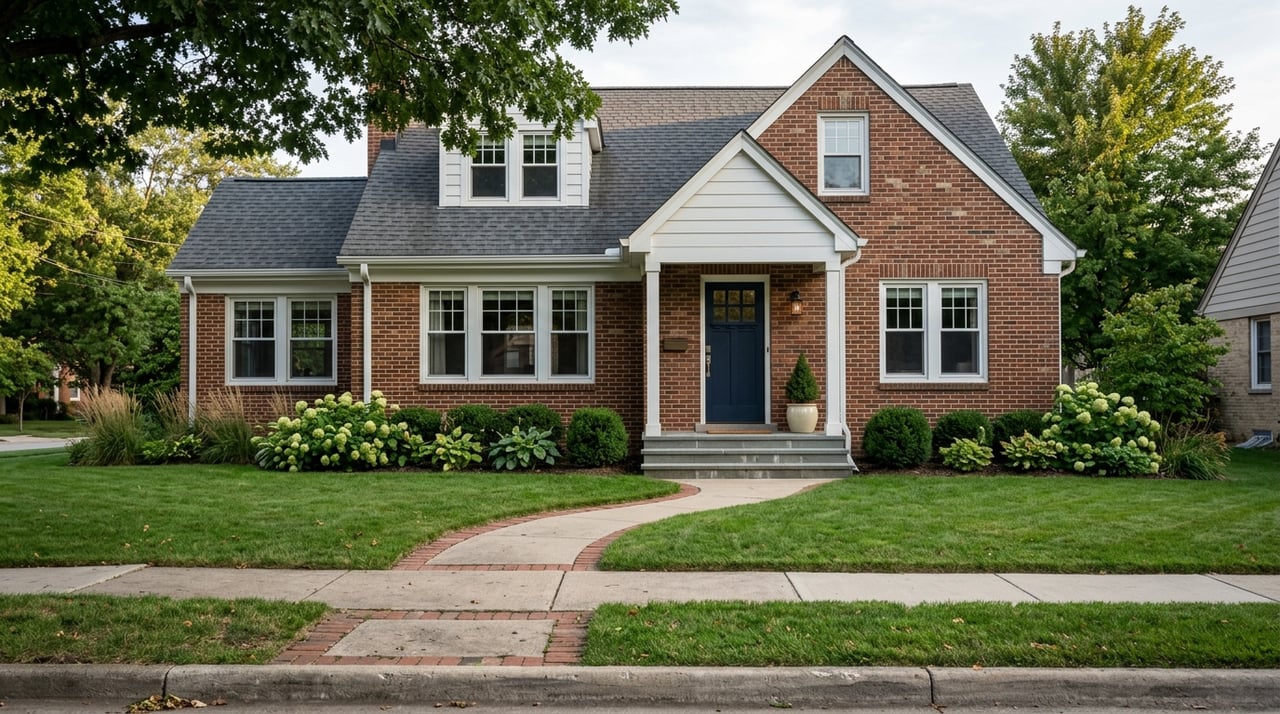
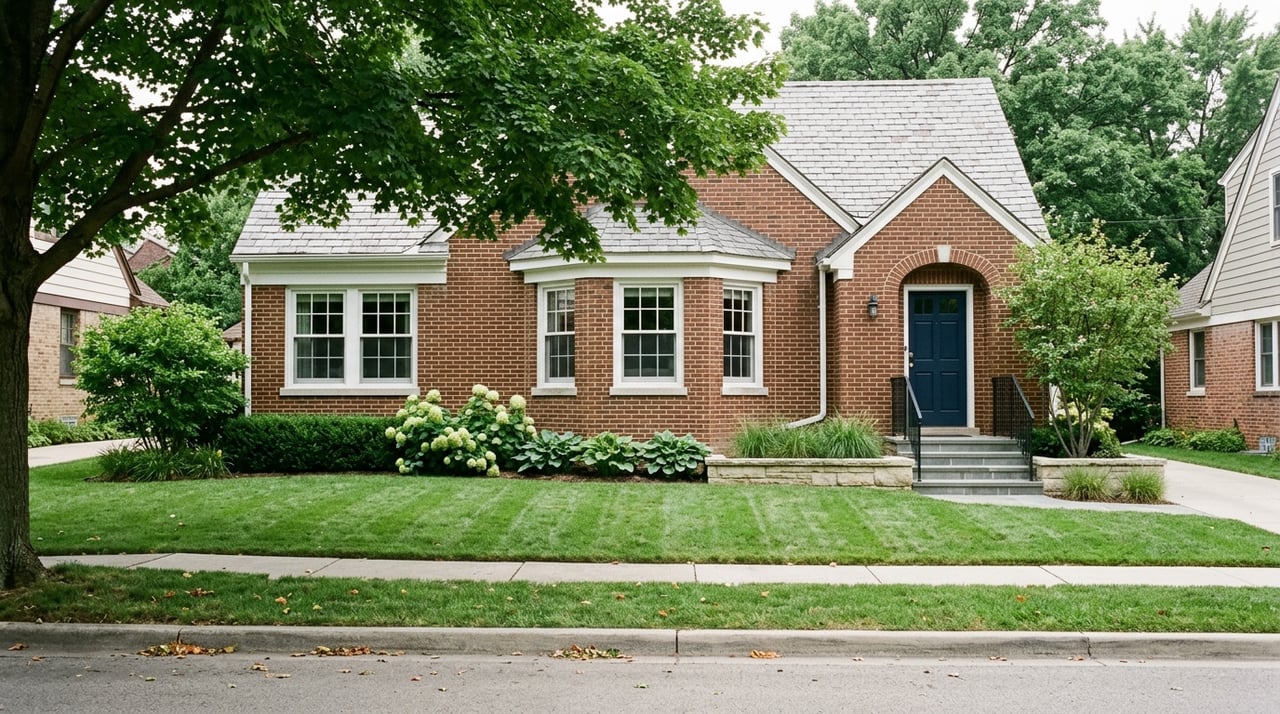
What makes Waterbury stand out is its estate-style character. City planning materials describe it as a neighborhood of single-family homes on large lots with a mix of architectural styles from different eras. You also see mature trees, rolling terrain, and a street layout that follows the land rather than forcing a strict grid.
That combination gives Waterbury a distinct feel in central Des Moines. It is close in, but it does not read as dense or highly urban. Instead, it offers a quieter residential setting with visual variety, more breathing room, and a strong sense of neighborhood identity.
Waterbury vs. Beaverdale
Beaverdale is one of the best-known neighborhoods in Des Moines, and it offers a clear contrast to Waterbury. The area is known for brick homes, traditional styles, tree-lined streets, and closeness to shopping, work, and parks. Most of its subdivisions developed between 1920 and 1940.
Compared with Waterbury, Beaverdale feels more compact and more grid-based. Waterbury’s streets respond to rolling terrain, while Beaverdale generally follows a more traditional pattern with only a few winding-drive exceptions. If you like a more classic neighborhood layout and a tighter residential feel, Beaverdale may appeal to you.
Waterbury, by comparison, leans more spacious and estate-like. If large lots, varied home styles, and a more tucked-away west-side setting matter most, Waterbury often feels different in a meaningful way.
Waterbury vs. North of Grand
North of Grand is a strong option for buyers who want an older close-in neighborhood with fast access to activity. The neighborhood sits between 31st and 42nd streets, Grand Avenue and I-235, and developed beginning in the late 1800s. Its identity is closely tied to proximity to the Ingersoll corridor and downtown.
That makes North of Grand feel more corridor-oriented than Waterbury. While Waterbury is also close in, its appeal comes more from lot size, topography, and a quieter estate-neighborhood setting. North of Grand tends to attract buyers who want quick access to restaurants, shops, transit, and downtown destinations.
If your priority is convenience with an urban edge, North of Grand may feel like the better match. If you want close-in access without giving up a more spacious residential atmosphere, Waterbury usually stands apart.
Waterbury vs. Sherman Hill
Sherman Hill is the most urban and historic of the neighborhoods in this comparison. It dates to the 1870s and became Des Moines’ first local historic district in 1982. The housing mix includes grand Victorian homes, smaller cottages, and later multi-family buildings and apartments.
That mix creates a much denser daily feel than Waterbury. Sherman Hill is more architectural, more mixed in housing type, and more tied to downtown living. Waterbury is more uniform in land use, with single-family homes on large lots and a calmer, less urban rhythm.
If you are drawn to historic-district energy and a stronger city feel, Sherman Hill may be the right fit. If you want character but also more privacy, more land, and a less dense setting, Waterbury is the clearer choice.
Waterbury vs. South of Grand
South of Grand, especially Salisbury Oaks, is probably the closest peer to Waterbury in overall land-use character. City planning materials group both Waterbury and Salisbury Oaks in the estate neighborhood type. In both areas, you find established single-family homes on large lots with varied architectural styles.
The main difference is how each neighborhood expresses its landscape. Waterbury is defined by mature tree canopy and rolling terrain. Salisbury Oaks is more associated with ravines, the river valley, and nearby bike trails.
For many buyers, this comparison comes down to which kind of scenery and setting feels more like home. If you prefer leafy streets and gentle hills, Waterbury may feel especially appealing. If you are drawn to more dramatic natural features and trail access, South of Grand or Salisbury Oaks may rise to the top.
Waterbury vs. Downtown and East Village
Downtown Des Moines and the Historic East Village are the clearest urban alternative to Waterbury. These areas emphasize walkable neighborhoods, a wide range of housing options, and easy access to businesses, amenities, and everyday activity. The East Village is also known for its character and concentration of small businesses and merchants.
This is where the lifestyle tradeoff becomes very clear. Waterbury offers more lot size, privacy, and single-family residential space. Downtown and East Village offer a more walkable, amenity-rich routine with a much denser feel.
Neither option is better across the board. It simply depends on what matters more to you. If you want room to spread out in a close-in west-side setting, Waterbury has an edge. If you want a more urban lifestyle centered around walkability and convenience, Downtown or East Village may fit better.
How the daily routine feels
One of the most useful ways to compare neighborhoods is to picture your typical weekday and weekend. Waterbury’s daily rhythm is best understood as quick-drive and close-in rather than walk-to-everything. Its boundaries near I-235 and Grand Avenue support easy access, but the neighborhood itself is not defined by an urban live-work-play setup.
Beaverdale and South of Grand tend to sit in the middle. Both are established residential areas with strong neighborhood identity, but they are generally more car-centered than the urban core. North of Grand pushes a bit more toward convenience because of its connection to Ingersoll and downtown.
Sherman Hill, Downtown, and East Village are the most pedestrian-friendly options in this group. If your ideal routine includes stepping outside into a denser, more active environment, those neighborhoods offer something Waterbury intentionally does not. Waterbury instead offers quiet, space, and a more residential pace while still keeping you close to central Des Moines destinations.
Which buyers tend to prefer Waterbury
Waterbury tends to fit buyers who want a close-in location but do not want a highly urban setting. It is especially appealing if you value estate-style homes, larger lots, mature trees, and a neighborhood feel shaped by the land itself. For many buyers, that creates a sense of calm that is harder to find in more compact central neighborhoods.
It can also be a strong match if you are moving up and looking for more space without heading far into the suburbs. Because Waterbury remains close to central Des Moines, it offers a blend of convenience and residential privacy that can be hard to replicate. That balance is a big part of its appeal.
At the same time, buyers who want the most walkability or the strongest link to commercial corridors may prefer other areas. The best choice depends on whether your priority is space, access, scenery, architectural style, or daily convenience.
A simple way to compare your options
If you are choosing between Waterbury and nearby neighborhoods, it helps to rank the features that matter most to you:
- Lot size and privacy
- Street pattern and neighborhood layout
- Architectural style and housing mix
- Access to downtown or nearby business districts
- Walkability versus drive-based convenience
- Landscape feel, such as trees, hills, ravines, or river views
Once you know your top two or three priorities, the differences become easier to read. Waterbury is not trying to be Downtown, Beaverdale, or Sherman Hill. Its value is in offering a distinct close-in west-side experience that blends space, trees, and established character.
If you are weighing where to buy or whether your current home still fits your next chapter, talking through these tradeoffs with a local expert can save time and sharpen your search. If you want practical guidance on Waterbury, Beaverdale, South of Grand, Downtown, or other central Des Moines neighborhoods, reach out to Martha Miller Johnson for honest advice and local insight.
FAQs
How is Waterbury different from Beaverdale in Des Moines?
- Waterbury generally feels more spacious and estate-like, with larger lots, rolling terrain, and a less rigid street pattern, while Beaverdale is more compact, more grid-based, and known for brick homes and traditional neighborhood layout.
How does Waterbury compare to North of Grand for location and access?
- Both are close-in neighborhoods, but North of Grand is more closely tied to the Ingersoll corridor and downtown access, while Waterbury is better known for its quieter residential setting, larger lots, and estate-style character.
Is Waterbury more like South of Grand or Downtown Des Moines?
- Waterbury is much closer in character to South of Grand, especially Salisbury Oaks, because both are established estate-style neighborhoods with single-family homes on large lots rather than dense urban housing.
What kind of lifestyle does Waterbury offer in central Des Moines?
- Waterbury offers a close-in, quick-drive lifestyle with mature trees, rolling terrain, and a quieter residential pace rather than the walkable, denser daily routine found in Downtown, East Village, or Sherman Hill.
Who is Waterbury a good fit for when buying a home?
- Waterbury tends to fit buyers who want space, privacy, established homes, and a close-in west-side location without choosing a more urban neighborhood feel.