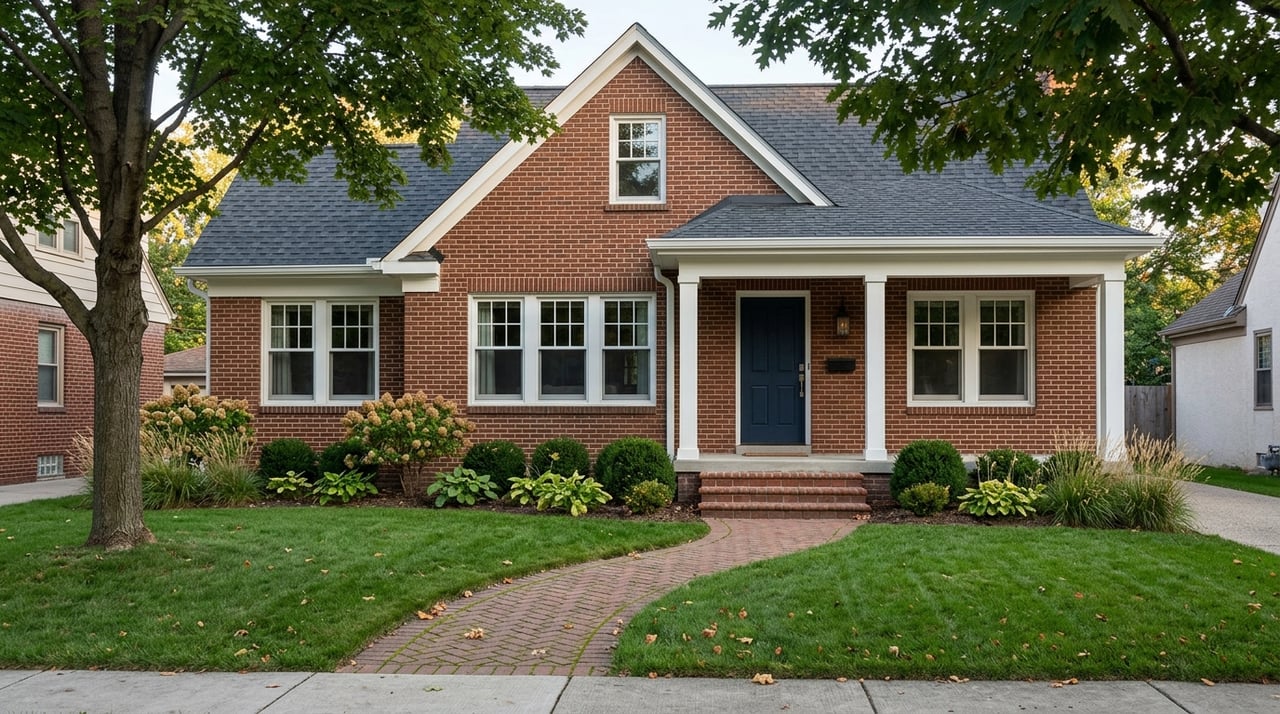
If you want a Des Moines neighborhood that feels established, central, and quietly distinctive, Waterbury deserves a closer look. For many buyers, the appeal is not just the homes themselves. It is the combination of mature trees, curved streets, nearby parks and cultural amenities, and a residential setting that still keeps you connected to the rest of the city. If you are wondering what everyday life in Waterbury actually feels like, this guide will walk you through the basics. Let’s dive in.
Where Waterbury Sits In Des Moines
Waterbury is a residential neighborhood in Des Moines generally bounded by I-235, Polk Boulevard, Grand Avenue, and 63rd Street, with some homes extending west of 63rd near Walnut Creek. According to the Waterbury Neighborhood Association, the neighborhood includes about 1,100 households and has been organized since 1995.
Its history is part of what gives the area its identity today. The neighborhood developed in phases between 1906 and 1940, tied to Des Moines’ westward growth and the old streetcar era, according to the Waterbury Neighborhood Plan. That layered development still shows up in the street layout, home styles, and overall feel of the area.
What Waterbury Feels Like Day To Day
Waterbury stands out for its strong residential character. The neighborhood plan describes mature trees, curving streets, and large lots as defining features, shaped in part by the natural terrain. When you drive or walk through the area, that design creates a softer, more tucked-away feel than you get in a typical grid neighborhood.
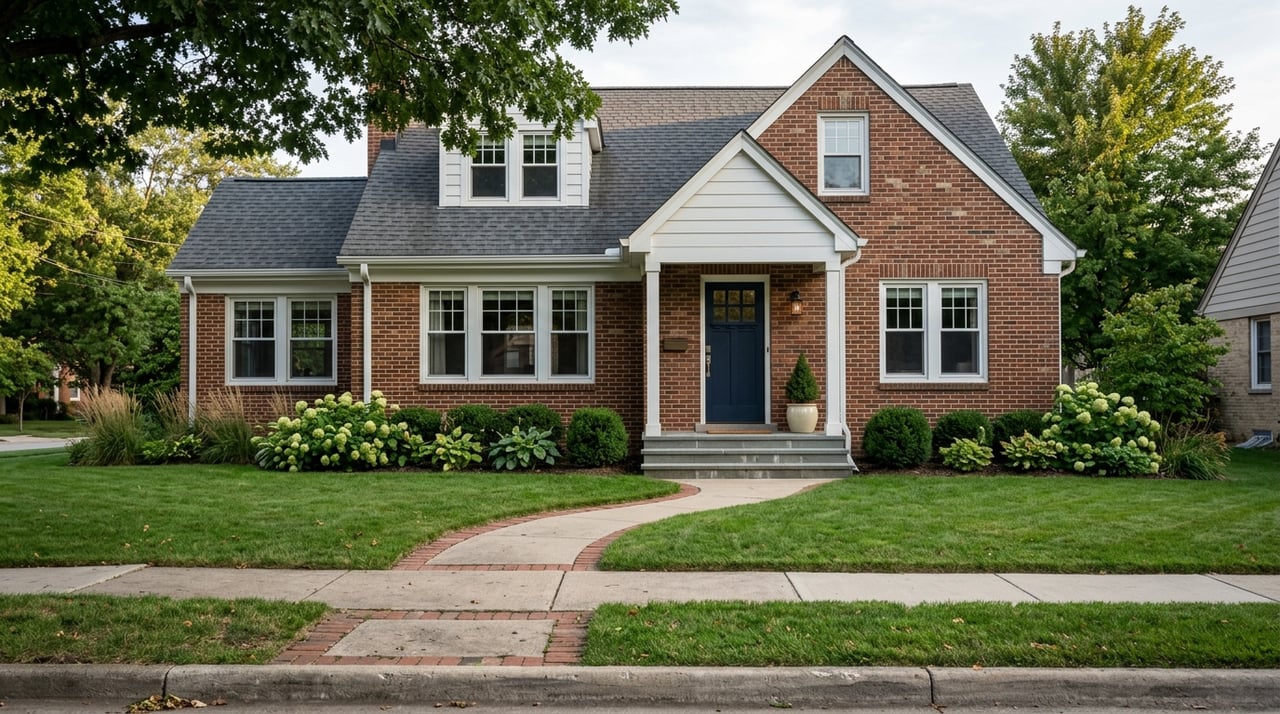
The neighborhood is primarily single-family, with some multi-family buildings near Ingersoll Avenue that reflect the former streetcar corridor. The plan also notes that Waterbury is known for large homes on large lots, along with a mix of average-sized homes throughout the area. That variety can appeal to buyers who want an established setting with a range of housing options.
Some parts of Waterbury have especially recognizable visual details. The neighborhood association history points to the North Waterbury Road and Waterbury Circle area for its matching chimney and shutter motifs, which help give that section a distinct look within the broader neighborhood.
Home Styles And Setting
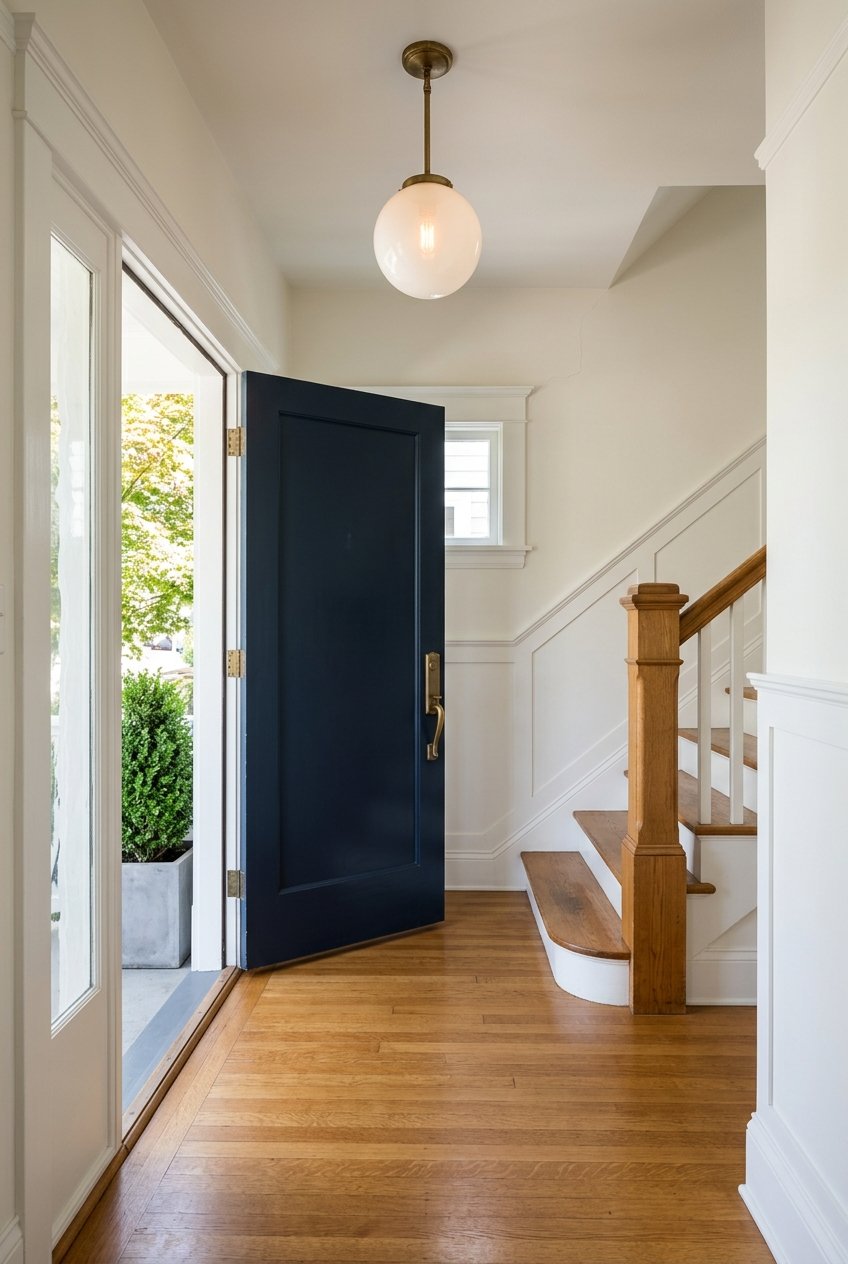
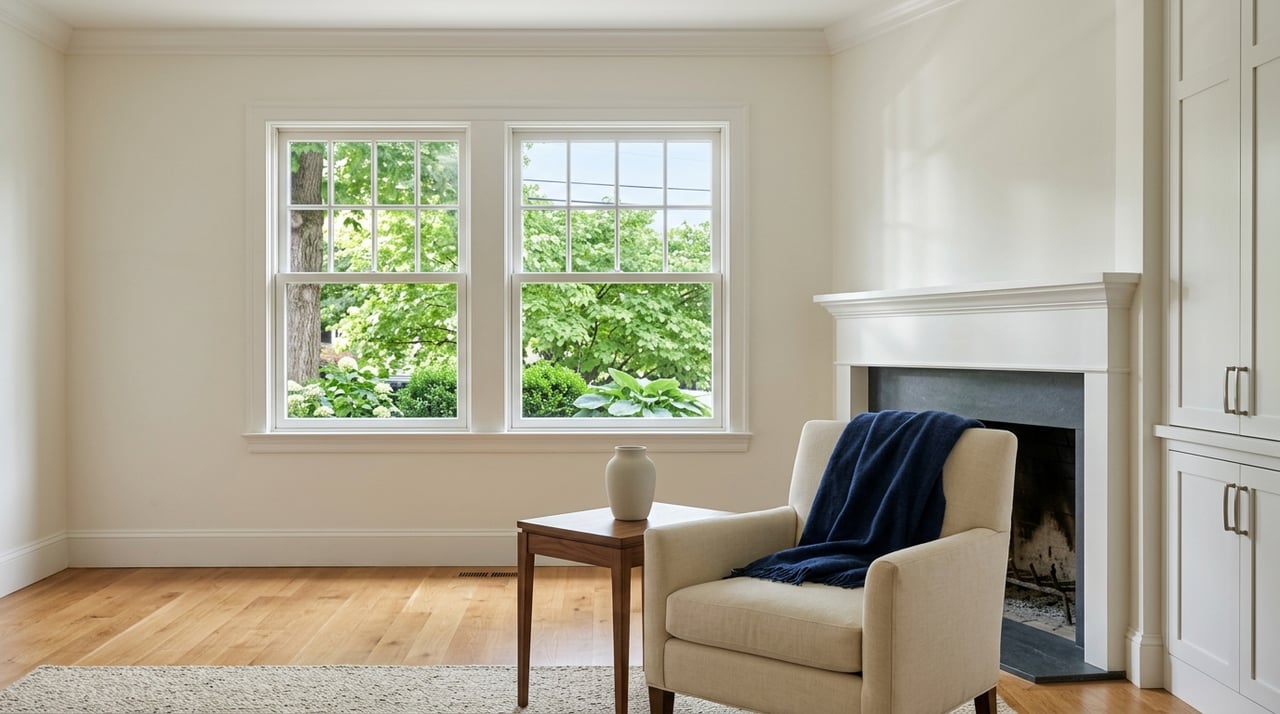
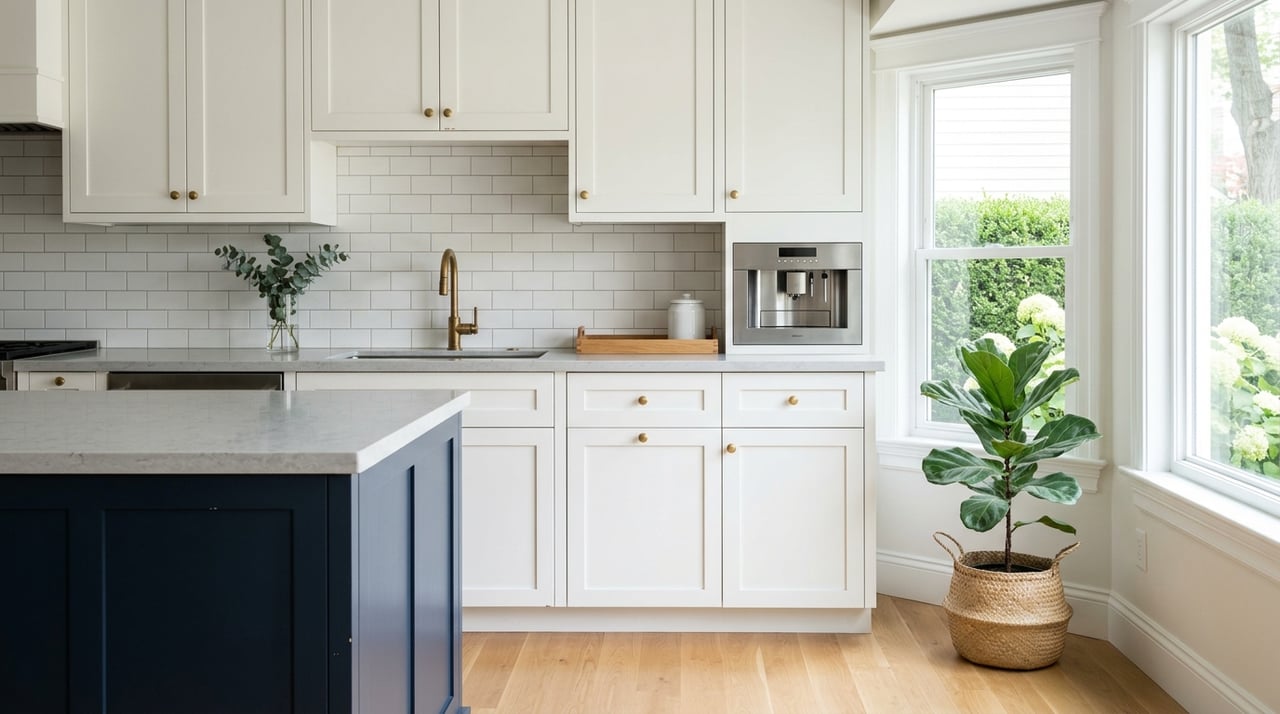
If neighborhood character matters to you, Waterbury has a lot going for it. This is not an area defined by new construction or a one-size-fits-all housing pattern. Instead, the appeal comes from older homes, mature landscaping, and streets that follow the land rather than forcing a rigid pattern.
That can translate into a more organic streetscape and a stronger sense of place. Buyers who appreciate architecture, lot size, and established surroundings often notice these details right away. Sellers also benefit from the fact that Waterbury has a recognizable identity, which can help a home stand out when it is marketed thoughtfully.
Parks And Outdoor Access Nearby
One of the practical things to know about living in Waterbury is that the neighborhood does not have a designated park within its own borders. Instead, daily outdoor life tends to revolve around nearby green spaces. The neighborhood plan highlights Greenwood/Ashworth Park and the Des Moines Art Center area just south of the neighborhood as important nearby amenities.
For many residents, that means you are close to places for walks, fresh air, and cultural outings without needing those features directly inside the neighborhood. At the same time, the plan notes that crossing Grand Avenue can be a practical obstacle for some pedestrians, so ease of access may depend on exactly where you live and how you prefer to get around.
The neighborhood plan also mentions future goals around walking and bicycling improvements. These include a walking course through the neighborhood and a potential trail connection linking Waterbury to the Walnut Creek Trail and Waveland Park. That is worth knowing if you value connectivity and long-term neighborhood planning.
Daily Conveniences And Local Landmarks
Waterbury is mostly residential, so its appeal is not about having dense retail within the neighborhood itself. Instead, it offers access to nearby commercial and cultural areas while keeping a quieter residential feel at home. The neighborhood plan points residents toward nearby destinations in Waveland Park, the Ingersoll corridor, Grand Avenue, and the Roosevelt Cultural District.
One local landmark mentioned in the plan is Waterbury Gardens at Polk Boulevard and Ingersoll Avenue, completed in 2005. It is described as a neighborhood gathering place and adds to the sense that Waterbury has defined local touchpoints, even without a heavy commercial footprint.
For buyers, that balance can be especially appealing. You get a neighborhood that feels residential first, with nearby options for dining, errands, and outings rather than constant activity outside your door.
Community Life In Waterbury
A neighborhood can look great on paper and still feel disconnected in real life. Waterbury appears to offer more than just attractive streets and homes. The Waterbury Neighborhood Association events page lists recurring events like National Night Out, an annual meeting, and Oktoberfest, which points to an organized and active resident network.
That does not mean every resident participates in the same way, of course. But it does suggest a neighborhood where community involvement exists and where residents have opportunities to connect through local events and shared planning efforts.
Getting Around From Waterbury
Waterbury’s location is part of its everyday convenience. Because it sits in central-west Des Moines, you are positioned for practical access to downtown and other parts of the city. Transit options are corridor-based, with DART Route 11 serving the Ingersoll/Valley Junction corridor and Route 60 serving the University/Ingersoll loop.
For residents who drive, bike, or use a mix of transportation options, that central location can be a meaningful advantage. The neighborhood plan also supports future improvements for walking and biking, which reinforces Waterbury’s value as a connected residential area rather than a fully isolated pocket.
School Context In The Neighborhood Conversation
For many buyers, school context is simply part of understanding a neighborhood, whether or not it is the deciding factor. The Waterbury Neighborhood Plan specifically identifies Merrill Middle School as a neighborhood asset and a potential community-school park site. Des Moines Public Schools materials also list Hanawalt, Merrill, and Roosevelt among district schools relevant to the area conversation.
Because attendance and enrollment details can vary by address and policy, it is best to verify current information directly when you are narrowing down a home search. Still, it is fair to say that school access is part of how some buyers think about Waterbury and its surrounding area.
Why Buyers Look At Waterbury
Waterbury often appeals to buyers who want an established neighborhood with visual character and a central location. Based on the neighborhood plan and association information, the area’s everyday appeal tends to come down to a few core strengths:
- Mature trees and curving streets
- Older homes with distinct architectural character
- Large lots in many parts of the neighborhood
- Nearby access to parks, trails, and cultural amenities
- Connections to Ingersoll, Grand Avenue, and central Des Moines destinations
- An active neighborhood association and recurring community events
For design-aware buyers or longtime locals looking for a specific kind of setting, those details matter. They shape not just what a home looks like, but what daily life feels like.
What Sellers Should Know About Waterbury
If you own a home in Waterbury, the neighborhood’s identity is a real asset. Buyers are often drawn to areas with a clear sense of place, and Waterbury offers that through its history, lot patterns, street design, and established tree canopy. Those features can be easy to overlook if a home is marketed too generically.
This is where strong neighborhood knowledge matters. A thoughtful listing strategy should highlight not only the home’s features, but also the everyday advantages of the location, from nearby green space and cultural destinations to the neighborhood’s long-established residential feel.
Is Waterbury A Good Fit For You?
Waterbury may be a strong fit if you are looking for a neighborhood that feels rooted, residential, and central. It is especially worth considering if you value mature landscaping, older homes, larger lots, and easy access to nearby amenities without living in the middle of a busy commercial district.
Like any neighborhood, the right fit depends on your priorities. Some buyers want walkable retail directly outside their front door. Others want quiet streets, architectural character, and close access to parks and city amenities. Waterbury tends to speak more clearly to that second group.
If you are thinking about buying or selling in Waterbury, having a local guide can make the process much easier. Martha Miller Johnson brings deep Des Moines roots, practical neighborhood insight, and hands-on support to help you make a confident move.
FAQs
What is Waterbury like in Des Moines?
- Waterbury is an established residential neighborhood known for mature trees, curving streets, large lots, and older homes, with nearby access to parks, cultural amenities, and central Des Moines destinations.
Where is the Waterbury neighborhood located in Des Moines?
- Waterbury is generally bounded by I-235, Polk Boulevard, Grand Avenue, and 63rd Street, with some homes extending west of 63rd near Walnut Creek.
Are there parks in the Waterbury neighborhood?
- Waterbury does not have a designated park within its borders, but the neighborhood plan points to nearby Greenwood/Ashworth Park and the Des Moines Art Center area as important outdoor and cultural amenities.
How do you get around from Waterbury in Des Moines?
- Waterbury has practical central-west Des Moines access, with corridor-based transit options including DART Route 11 on Ingersoll and Route 60 on the University/Ingersoll loop.
What makes Waterbury appealing to homebuyers?
- Buyers often look at Waterbury for its residential character, mature tree canopy, lot sizes, older homes, nearby amenities, and the overall feel of an established central Des Moines neighborhood.